The Role of Anti-Inflammatory Foods in Overall Health
Few terms in nutrition have traveled further from their scientific origins than "anti-inflammatory." It has become a marketing category, applied to everything from juices to cookware, often without much clarity about what inflammation is or what food can reasonably do about it. The result is that clients arrive in our practice having heard a great deal about anti-inflammatory eating without a clear sense of what the underlying research actually supports.
The evidence is real, and it is worth understanding accurately. Chronic low-grade inflammation is implicated in cardiovascular disease, type two diabetes, certain cancers, neurodegenerative conditions, and several autoimmune and gastrointestinal disorders. Diet has a measurable influence on inflammatory markers. The picture is not as dramatic as some headlines suggest, but it is also not negligible, and a clinical understanding of how food affects inflammation can meaningfully shape long-term health.
Two Kinds of Inflammation, and Why the Distinction Matters
Inflammation is the body's response to injury, infection, and other threats. Acute inflammation is the redness, swelling, and warmth that surround a cut or a sprain. It is essential and self-limiting. The body initiates it, resolves it, and moves on.
Chronic inflammation is different. It is a low-grade, persistent activation of the immune system that does not resolve in the way acute inflammation does. It produces measurable changes in inflammatory markers such as C-reactive protein, interleukin-6, and tumor necrosis factor alpha. Over years, this chronic activation contributes to the development and progression of many of the conditions listed above.
Nutrition does not influence acute inflammation in any meaningful way. You cannot eat your way out of a sprained ankle. What nutrition does influence, sometimes substantially, is the baseline level of chronic inflammation circulating in the body. This is the more relevant target.
What Food Actually Does in the Body
The dietary influence on inflammation operates through several mechanisms. The omega-3 fatty acids found in fatty fish and certain plant foods are precursors to anti-inflammatory signaling molecules. The polyphenols found in colored plant foods, tea, coffee, olive oil, and cocoa interact with inflammatory pathways at the cellular level. Fiber feeds gut bacteria that produce short-chain fatty acids with documented anti-inflammatory effects. Certain micronutrients, including vitamin D, magnesium, and zinc, act as cofactors in immune regulation.
There is also a parallel set of foods that tend to promote inflammation when consumed in excess. These include highly refined carbohydrates, industrial seed oils used in fried and ultraprocessed foods, processed meats, and added sugars. The point is not that these foods are toxic or forbidden, but that their proportion in the overall diet has cumulative effects.
The most consistent finding across decades of nutrition research is that dietary patterns matter more than individual foods. The Mediterranean dietary pattern, in particular, has the strongest evidence base for reducing markers of chronic inflammation across diverse populations.
The Foods With the Strongest Evidence
The categories of food most reliably associated with lower inflammation in human studies include the following:
Fatty fish such as salmon, sardines, mackerel, and anchovies, which provide EPA and DHA omega-3 fatty acids
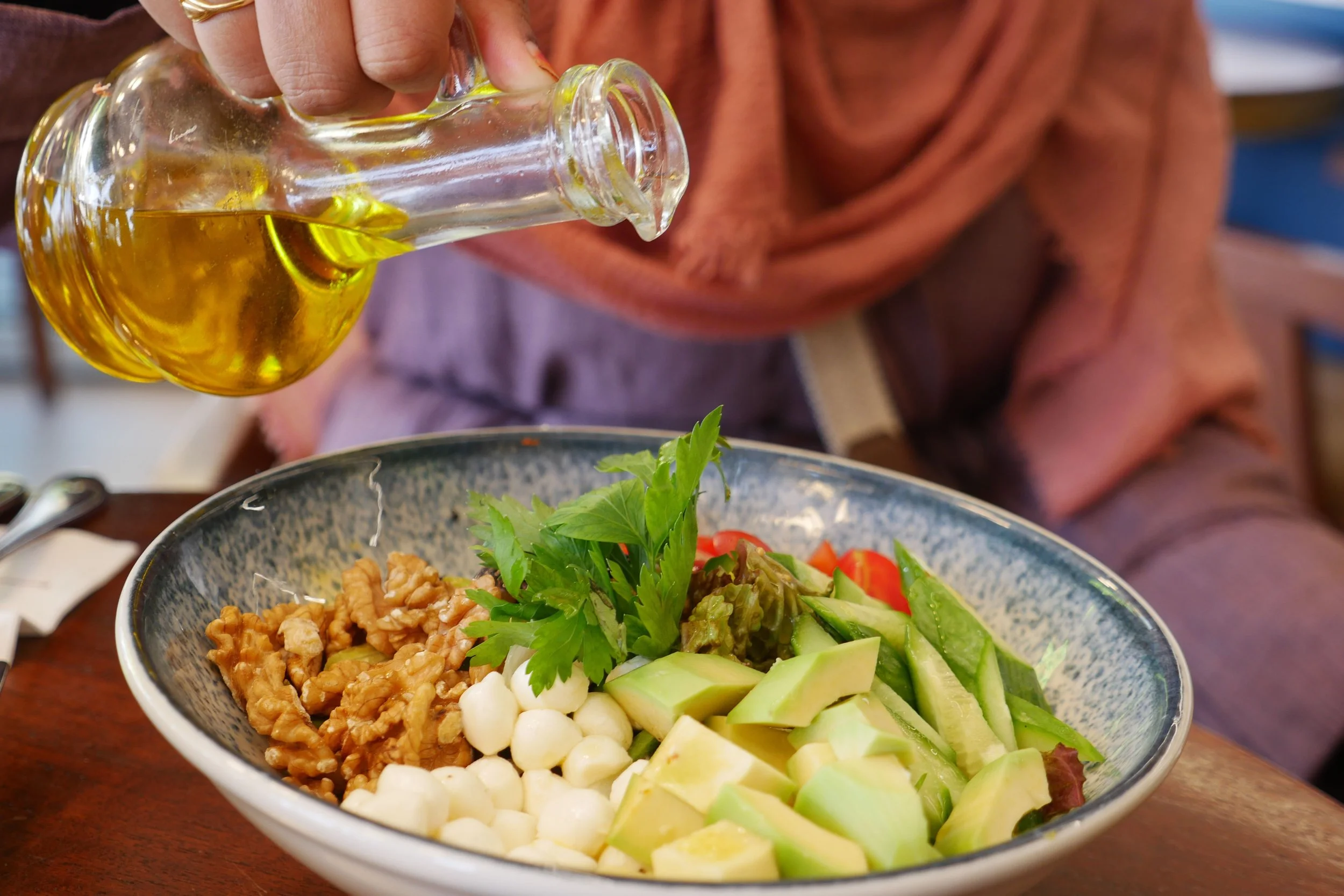
Extra virgin olive oil, which contains both monounsaturated fats and a class of polyphenols, including oleocanthal
A wide range of colorful vegetables, with particular attention to leafy greens and cruciferous vegetables
Berries and other deeply pigmented fruits, which are rich in anthocyanins and other polyphenols
Nuts and seeds, especially walnuts, almonds, flaxseed, and chia seeds
Legumes, which contribute fiber, polyphenols, and plant protein
Whole grains in their intact form, including oats, barley, farro, and brown rice
Herbs and spices, particularly turmeric, ginger, garlic, rosemary, and oregano
Coffee and tea, both of which contribute substantial polyphenol intake
These foods are not exotic, and the list is notably absent of single ingredients marketed as miracle foods. The clinical reality is that consistent, sustained dietary patterns produce meaningful change. Occasional consumption of any anti-inflammatory food, no matter how rich in compounds, has a limited effect against a baseline diet pattern that is inflammatory overall.
How Anti-Inflammatory Eating Connects to Specific Health Concerns
The relevance of anti-inflammatory nutrition varies depending on what we are addressing clinically. Different conditions involve inflammation in different ways, and the dietary emphasis shifts accordingly.
For metabolic conditions, the focus often centers on the relationship between blood sugar control and inflammation, since elevated and unstable glucose itself contributes to inflammatory signaling. Our work with clients managing diabetes and prediabetes draws on both anti-inflammatory principles and glucose stabilization, which tend to overlap significantly.
For weight-related concerns, adipose tissue itself produces inflammatory signaling molecules, and chronic inflammation can contribute to metabolic resistance to weight change. We address this in our weight management work by considering inflammation as one factor among several, rather than treating it as a standalone target.
For digestive concerns, the gut is both a site of inflammation and a major regulator of systemic inflammation through the microbiome. The intersection of diet, gut bacteria, and inflammation has become one of the more active areas of nutrition research, and it has changed how we approach many clinical cases.
For mood and energy concerns, the relationship between inflammation, the gut-brain axis, and conditions like burnout, anxiety, and depression is increasingly well established. We have written about the connection between diet and burnout-related symptoms for clients whose energy and resilience feel chronically depleted.
Building an Anti-Inflammatory Eating Pattern in Practice
Translating the research into daily eating tends to look less dramatic than people expect. The shift is generally from a diet heavy in refined and ultraprocessed foods toward one heavier in plants, intact whole grains, seafood, olive oil, and fresh herbs and spices. We approach this with clients in stages.
1. Establishing a Base of Plants at Every Meal
The single most consistent feature of anti-inflammatory dietary patterns is the volume and variety of plant foods. We work with clients to make plants central rather than peripheral on the plate. Breakfast that includes fruit and seeds, lunch built around a substantial vegetable component, and dinner with vegetables occupying at least half the plate creates a strong foundation regardless of what else is included.
2. Adjusting the Fat Profile
The fats in the diet have a particularly strong influence on inflammatory signaling. Extra virgin olive oil as the primary cooking and dressing fat, fatty fish two to three times per week, and regular intake of nuts and seeds produce a fat profile that is well supported by the research. Reducing the use of industrial seed oils common in fried and processed foods is part of the same shift.
3. Integrating Polyphenol-Rich Foods Daily
Berries, dark leafy greens, coffee, tea, dark chocolate, herbs, and spices all contribute polyphenols. The diversity matters because different polyphenols have different mechanisms of action. Building several of these into the daily routine, rather than rotating them sporadically, produces a more consistent intake.
4. Reducing the Proportion of Ultraprocessed Foods
The category of ultraprocessed foods has emerged as one of the more useful frameworks in nutrition research. These products are characterized by industrial formulation, multiple additives, and ingredients not typically used in home cooking. Higher consumption of ultraprocessed foods is consistently associated with higher inflammation, independent of total calorie intake.
5. Considering Timing and Meal Structure
Emerging research suggests that meal timing and frequency may also influence inflammation, with some evidence that longer overnight fasting windows and more consistent meal timing have modest anti-inflammatory effects. We treat this as a secondary consideration after dietary composition is in place.
The cumulative effect of these adjustments tends to become apparent over months, not days. Inflammatory markers respond to sustained patterns, and the most meaningful changes in our clients are those that hold up over time.
Closing Thoughts on Practical Anti-Inflammatory Eating
The framing of "anti-inflammatory foods" is useful as a starting point, but the more accurate frame is anti-inflammatory eating, plural and ongoing. No single food carries the weight of a pattern, and no short-term protocol produces the kind of change that matters clinically.
If you would like to look at your own diet through this lens, particularly in the context of a specific health concern, our team can help you build a plan that reflects your circumstances rather than a generic protocol. You can learn more about our individual nutrition counseling and how we approach this work.
Ready to transform your relationship with food? Whether you're seeking support for eating concerns, looking to establish healthier family food dynamics, or simply want to feel more confident in your food choices, we're here to guide you every step of the way. Contact us to schedule your complimentary discovery call.