What to Eat During Diverticulitis Flares and How to Prevent Them
Diverticulitis sits in an unusual clinical space. It is common, affecting an estimated 35 percent of adults under 50 and more than half of adults over 60 in the form of diverticulosis, the underlying anatomical condition. It is also frequently misunderstood, both in terms of what causes a flare and how nutrition should change during and between episodes. Patients often arrive at our office having received conflicting guidance from urgent care visits, online forums, and well-meaning family members.
This piece offers a clinically grounded overview of how nutrition should shift during an active flare, what longer-term dietary patterns are associated with reduced recurrence, and where current research has revised older recommendations that may still be circulating.
Understanding the Condition Before the Diet
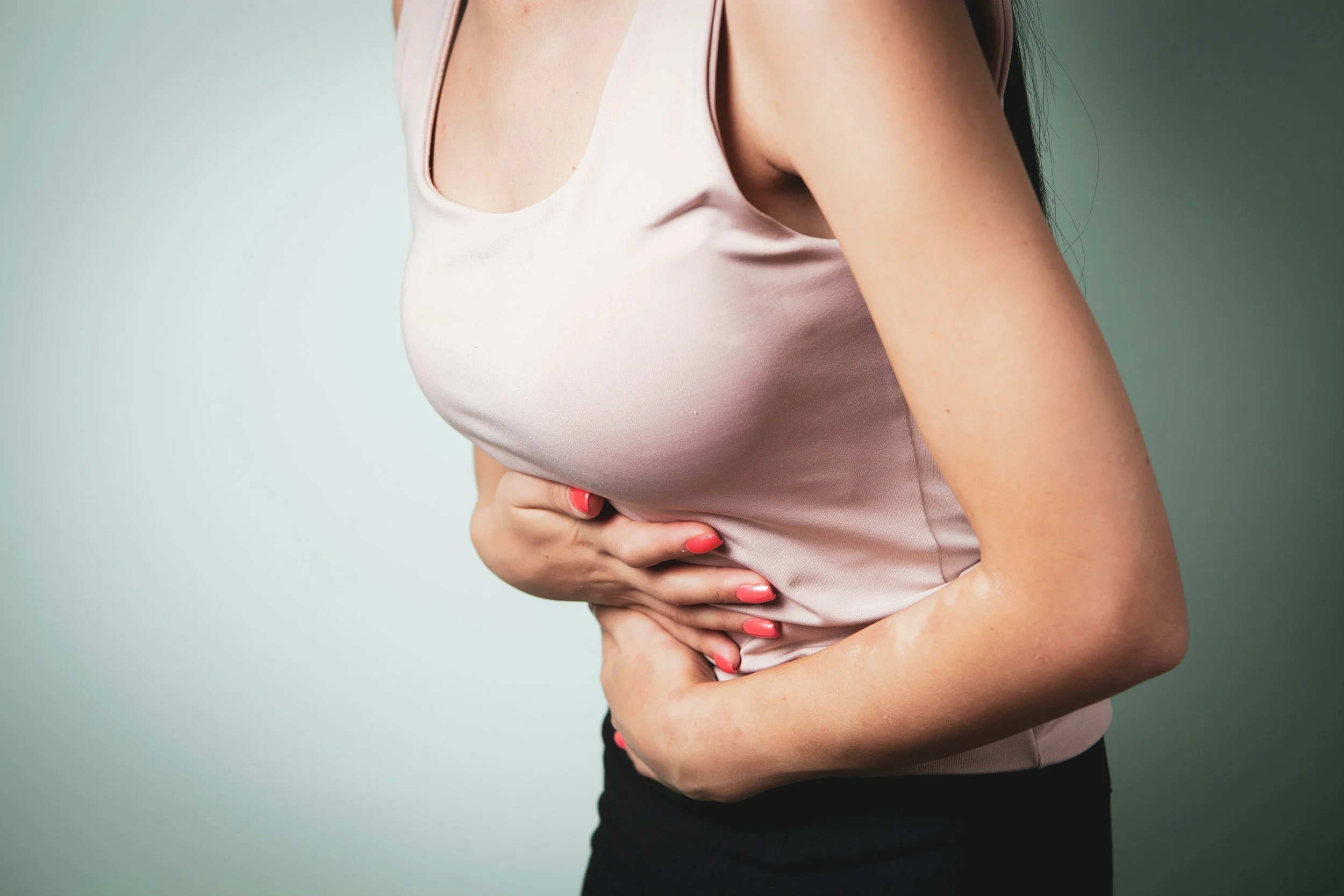
Diverticulosis describes the presence of small outpouchings (diverticula) in the wall of the colon, typically the sigmoid colon. The vast majority of people with diverticulosis never develop symptoms. Diverticulitis occurs when one or more of these pouches becomes inflamed, sometimes infected, producing the characteristic left lower abdominal pain, fever, and changes in bowel habits that bring people to medical attention.
The distinction matters because the nutritional approach differs significantly. During an acute flare, the goal is to reduce mechanical and digestive stress on the inflamed segment of the colon. Between flares and in the absence of symptoms, the goal shifts to supporting colonic health and reducing the likelihood of future episodes. Conflating these two phases is the source of much of the confusion patients encounter.
Nutrition During an Active Flare
When diverticulitis is actively flaring, the colon is inflamed and often irritated. Clinical management depends on severity and is directed by a medical provider, but the nutritional approach typically follows a graduated progression as symptoms resolve.
In the earliest phase of a flare, particularly when symptoms are significant, a clear liquid diet is often recommended for a short period. This includes broth, water, ice chips, clear juices without pulp, plain gelatin, and tea or coffee without milk. The intent is to give the colon as little to do as possible while inflammation resolves and any prescribed antibiotics take effect.
As symptoms improve, the diet advances to low-fiber foods that are gentle on the digestive tract. This transitional phase typically includes:
Refined grains such as white bread, white rice, and plain pasta
Well-cooked vegetables without skins or seeds
Canned or thoroughly cooked fruits without skins
Eggs prepared simply
Tender, lean proteins such as poultry or fish
Plain dairy products if tolerated
Smooth nut butters in small quantities
This low-fiber phase is intentionally short. Once symptoms have fully resolved, usually within one to two weeks under medical guidance, fiber is reintroduced gradually to return to a normal, varied diet. Extending the low-fiber phase indefinitely is not the goal and can actually work against long-term colonic health.
The Outdated Advice About Nuts, Seeds, and Popcorn
For decades, patients with diverticulosis were told to avoid nuts, seeds, popcorn, and corn on the theory that small particles could lodge in diverticula and trigger inflammation. This recommendation persisted long after the evidence supporting it had eroded.
A large prospective study published in JAMA in 2008, following more than 47,000 men over 18 years, found no increased risk of diverticulitis or diverticular bleeding associated with the consumption of nuts, seeds, or popcorn. In fact, higher intake of nuts and popcorn was associated with a slightly lower risk of diverticulitis. Subsequent research has reinforced these findings.
The clinical implication is straightforward: outside of an active flare, there is no evidence-based reason to avoid these foods. Restricting them indefinitely removes nutrient-dense, fiber-rich options from the diet without clinical benefit.
Long-Term Nutrition for Diverticular Health
Once an acute flare has resolved and the diet has been advanced back to normal, the question shifts to what dietary patterns are associated with reduced recurrence. The evidence here is reasonably robust and consistent.
Higher dietary fiber intake, particularly from fruits, vegetables, and whole grains, is associated with a lower risk of diverticulitis incidence and recurrence. The mechanism is thought to involve improved stool bulk and transit time, reducing intraluminal pressure in the colon and the mechanical stress on diverticula. Most adults benefit from a fiber intake of 25 to 38 grams per day, though many fall well below this range.
Adequate hydration matters alongside fiber intake. Fiber works in conjunction with water to maintain stool consistency and transit. Without sufficient fluid, increasing fiber can actually worsen constipation and abdominal discomfort.
Plant-forward dietary patterns, including Mediterranean-style eating, have been associated with reduced diverticulitis risk in multiple cohort studies. Red and processed meat intake has been associated with increased risk in the same studies. These associations do not establish causation, but they are consistent enough to inform clinical recommendations.
Five Nutrition Strategies to Reduce Recurrence Over Time
Patients who have experienced a diverticulitis flare often ask what they can do to reduce the likelihood of another episode. The following strategies are supported by current evidence and form the foundation of long-term digestive health nutrition work in our practice.
1. Increase Fiber Gradually and Sustainably
Moving from a low-fiber Western diet to 30 grams of fiber per day overnight will produce significant bloating and discomfort. Fiber should be increased gradually over weeks, with attention to which sources are tolerated well. Sources include whole grains, legumes, fruits, vegetables, nuts, and seeds, all of which contribute different types of fiber that support colonic function in distinct ways.
2. Prioritize Hydration
Fiber without adequate fluid intake can worsen rather than improve bowel function. Most adults benefit from consistent water intake throughout the day, with additional fluid needs during exercise or warm weather. Hydration status is one of the most underappreciated variables in digestive health.
3. Maintain a Plant-Forward Dietary Pattern
The evidence consistently favors dietary patterns rich in plant foods and lower in red and processed meats. This does not require vegetarianism. It requires shifting the center of gravity of the plate toward vegetables, fruits, legumes, and whole grains, with animal proteins playing a smaller role.
4. Support a Healthy Weight and Activity Level
Obesity and physical inactivity have both been associated with increased diverticulitis risk in observational studies. Regular physical activity supports colonic motility and overall metabolic health. Weight, when relevant, should be addressed within a non-diet framework that prioritizes sustainable behaviors over restrictive eating.
5. Address Smoking and NSAID Use with Your Medical Team
Smoking and frequent use of non-steroidal anti-inflammatory drugs such as ibuprofen have been associated with increased diverticulitis risk. These are not nutrition variables, but they are part of the broader risk picture and worth discussing with your physician.
These strategies work together as a long-term framework rather than as a short-term protocol. Recurrence prevention is a sustained effort.
When to Involve a Nutrition Specialist
For patients with a single uncomplicated flare and no other digestive concerns, general dietary guidance from a physician may be sufficient. For patients with recurrent flares, complicated diverticulitis, overlapping conditions such as IBS or IBD, or significant uncertainty about how to structure their diet, working with a registered dietitian who specializes in digestive health adds meaningful clinical value.
Our team works with clients across the full spectrum of gastrointestinal conditions, developing individualized plans that account for the specific anatomy, history, and lifestyle of each person. Reach out to us if recurrent flares or ongoing digestive symptoms are affecting your daily life, and we can begin the work of building a sustainable nutrition approach together.
Ready to transform your relationship with food? Whether you're seeking support for eating concerns, looking to establish healthier family food dynamics, or simply want to feel more confident in your food choices, we're here to guide you every step of the way. Contact us to schedule your complimentary discovery call.