Nutritional Support for H. Pylori Infection Treatment and Recovery
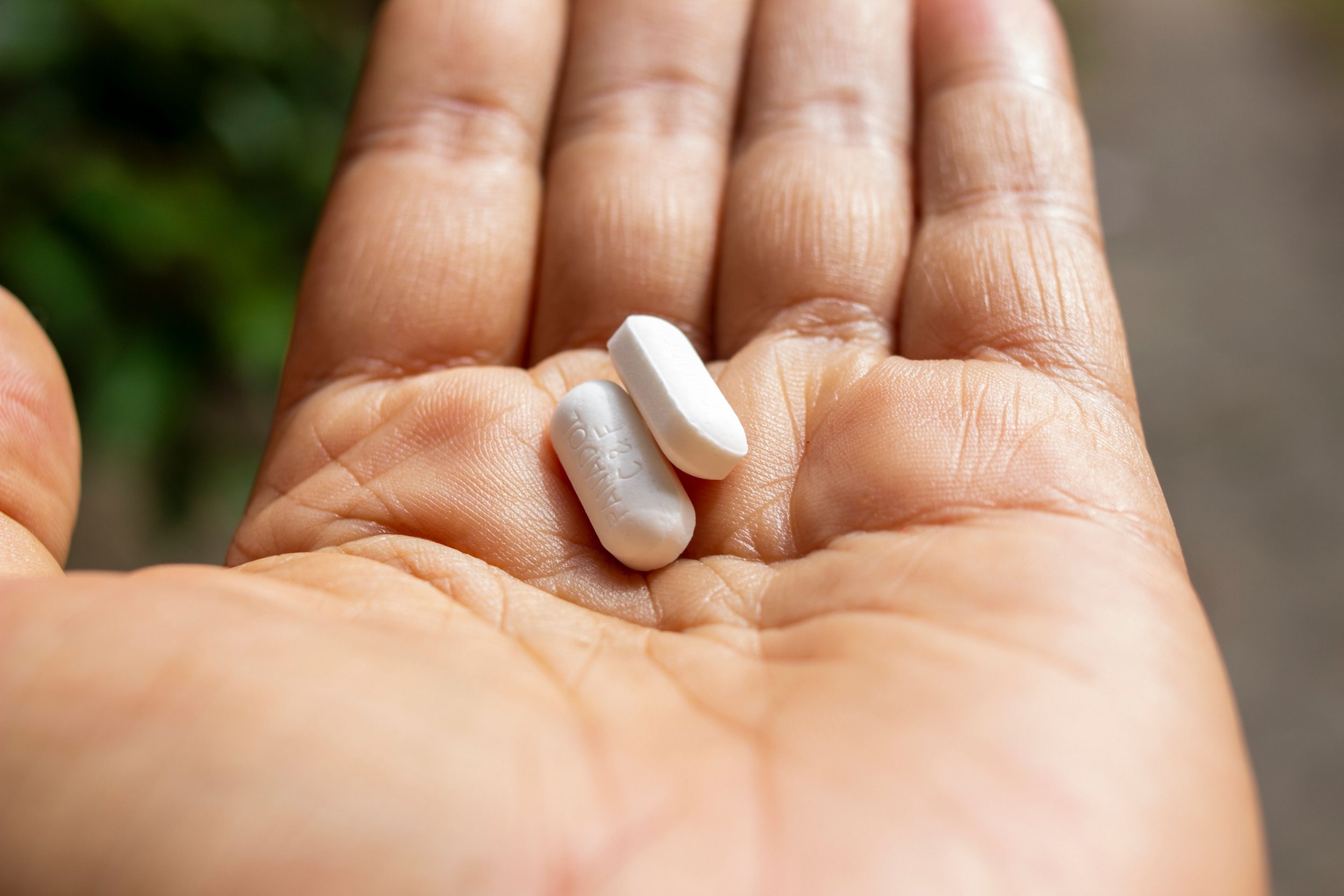
Helicobacter pylori, commonly shortened to H. pylori, is one of the most widespread bacterial infections in the world, colonizing the stomach lining of a substantial portion of the global population. For many people, it causes no symptoms at all. For others, it contributes to chronic gastritis, peptic ulcers, and persistent digestive discomfort, and in a smaller number of cases it raises longer-term risks that make eradication important.
Medical treatment, typically a course of antibiotics combined with acid-suppressing medication, is the cornerstone of care. Nutrition does not replace that treatment, and no food or supplement should be understood as a cure. What nutrition can do is support the body through a demanding course of therapy and help restore digestive function afterward. This piece lays out where the evidence stands and how thoughtful digestive health nutrition fits into the broader picture of care.
Understanding H. Pylori and Its Impact on the Stomach
H. pylori is uniquely adapted to survive in the harsh acidic environment of the stomach, where most bacteria cannot. It does so by burrowing into the protective mucus layer of the stomach lining and neutralizing acid in its immediate surroundings. Over time, this can inflame and damage the lining, leading to gastritis and, in some cases, ulcers.
The symptoms, when they occur, often intersect directly with eating. People may experience burning stomach pain, nausea, bloating, early fullness, and a reduced appetite. Because these sensations are tied so closely to meals, food can become a source of anxiety rather than nourishment, and some people begin eating less or avoiding foods without a clear rationale. This is a familiar pattern across gastrointestinal conditions, and it is one reason a structured, informed approach to eating during this period matters.
Left unaddressed over long periods, the inflammation associated with H. pylori can have consequences that extend beyond daily discomfort. Chronic gastritis can interfere with the stomach's ability to absorb certain nutrients, and iron and vitamin B12 status can be affected in some individuals. This is part of why physicians take persistent or symptomatic infections seriously, and why nutritional status is worth monitoring rather than assuming it will take care of itself. A person who has been eating poorly for weeks because eating hurts may arrive at treatment already depleted, which makes the supportive role of nutrition all the more relevant from the outset.
The Role of Nutrition During Active Treatment
The standard treatment for H. pylori is effective, but it is also demanding on the body. Multi-drug antibiotic regimens frequently produce side effects, including nausea, altered taste, diarrhea, and further loss of appetite. During this window, the goal of nutrition is not to attack the infection directly, but to help a person tolerate treatment, maintain adequate intake, and support the completion of the full course, which is essential for successful eradication.
Adequate nourishment during treatment supports the immune system and tissue repair, and steady eating helps counter the appetite loss that both the infection and its treatment can cause. A few principles tend to guide nutrition during this phase.
Maintaining Consistent Intake
Appetite often suffers during treatment, yet the body needs energy and protein to support healing and immune function. Eating regularly, even in smaller amounts, helps prevent the depletion that can slow recovery.
Supporting the Gut Microbiome
Antibiotics disrupt not only H. pylori but the broader community of beneficial bacteria in the digestive tract. Research on fermented foods and certain probiotic strains suggests they may help reduce the gastrointestinal side effects of treatment and support the microbiome, though this is an adjunct to therapy rather than a substitute.
Reducing Added Irritation
Highly acidic, spicy, or heavily processed foods, along with alcohol, can aggravate an already inflamed stomach lining for some people. Attention to individual tolerance helps limit discomfort while intake stays adequate.
It is worth emphasizing that these are supportive measures. They make the treatment period more manageable and protect nutritional status, but the antibiotics prescribed by a physician remain the mechanism that clears the infection.
A note of caution is warranted here, because the internet abounds with claims that specific foods, supplements, or herbal remedies can eradicate H. pylori on their own. Some compounds have shown modest activity in laboratory or preliminary settings, but none has demonstrated the reliability of standard medical treatment, and delaying or substituting proven therapy in favor of an unproven remedy can allow the infection to persist and cause harm. Nutrition's contribution during treatment is to support the person and improve tolerance of a demanding regimen, not to replace the regimen itself. Keeping that boundary clear protects people from well-intentioned advice that could ultimately work against their recovery.
Rebuilding Digestive Function After Treatment
Successful eradication of H. pylori is a significant milestone, but it is not always the end of the digestive story. The stomach lining needs time to heal, the gut microbiome needs time to recover from antibiotic exposure, and some people continue to experience symptoms for a period afterward. This recovery phase is where nutrition can play its most constructive and lasting role.
Because the foods we eat have a direct impact on gut health and the microbiome, the weeks and months following treatment are an opportunity to support the digestive system as it recalibrates. The gut-brain axis also matters here, since the anxiety that often accompanies a long stretch of digestive symptoms can itself influence how the gut feels and functions. Recovery, in other words, is both physical and behavioral.
There is a psychological dimension worth acknowledging directly. After weeks of associating food with pain or nausea, some people remain wary of eating even once the infection has cleared and the lining has begun to heal. Foods eaten during the worst of the symptoms can become linked in memory to discomfort, and that association does not always dissolve on its own. Rebuilding confidence around eating, reintroducing foods gradually, and reestablishing trust in the body's signals is a genuine part of recovery, not an afterthought. Treating recovery as purely a matter of stomach-lining repair overlooks how much the experience of illness can reshape a person's relationship with food.
Key Areas Where Nutrition Supports Recovery
Once active treatment concludes, attention turns to restoring comfortable, consistent digestion. The areas below represent where nutritional care most often makes a difference during recovery, and why each deserves a considered approach rather than a generic fix.
1. Restoring microbial balance
Antibiotics leave the gut microbiome depleted and less diverse. A dietary pattern rich in a range of plant foods and, for some people, fermented foods, supports the gradual return of a diverse microbial community, which is closely linked to digestive comfort and immune function.
2. Supporting the healing stomach lining
An inflamed or ulcerated lining benefits from a period of reduced irritation. Identifying which foods a person tolerates comfortably during this window, and reintroducing others as healing progresses, allows nutrition to support repair rather than hinder it.
3. Reestablishing regular, adequate eating
Weeks of symptoms and appetite loss often disrupt normal eating patterns. Rebuilding a steady rhythm of nourishing meals restores the energy and nutrients the body needs and helps undo the food avoidance that discomfort can create.
4. Addressing lingering symptoms with individual attention
Some people continue to experience bloating, reflux, or discomfort after eradication. A careful review of the current diet, tailored to the individual, helps identify triggers and distinguish residual healing from separate digestive issues that may need their own approach.
Recovery rarely follows a fixed timeline, and it looks different from one person to the next. That variability is precisely why individualized guidance tends to serve people better than a standardized recovery diet pulled from the internet.
When to Involve a Registered Dietitian
Navigating nutrition through H. pylori treatment and recovery can feel confusing, especially when symptoms make eating stressful and online advice pulls in every direction. This is the kind of nuanced, individual situation where clinical expertise is genuinely valuable, and it is central to why we advocate for seeing a nutritionist for gut concerns rather than self-directing through a difficult stretch.
Our team of registered dietitians works alongside a person's medical care, not in place of it, to ensure nutrition supports the body through treatment and recovery. That coordination, between the physician managing the infection and the dietitian managing nutrition, tends to produce a smoother experience and a more complete recovery than either piece alone.
The Bottom Line
H. pylori is a common and treatable infection, and medical therapy remains the essential path to clearing it. Nutrition's role is supportive but meaningful: helping the body tolerate a demanding course of treatment, protecting nutritional status when appetite falters, and restoring digestive function once the infection is gone. Understanding that distinction, between what treats the infection and what supports the person, is the key to using nutrition well.
If you are managing an H. pylori infection and want nutritional support that works in concert with your medical treatment, we would be glad to help. Contact our team to learn how we support clients through digestive treatment and recovery.
Ready to transform your relationship with food? Whether you're seeking support for eating concerns, looking to establish healthier family food dynamics, or simply want to feel more confident in your food choices, we're here to guide you every step of the way. Contact us to schedule your complimentary discovery call.