Holiday Meal Planning: Staying Healthy During Celebrations
The holiday season presents a collision between cultural expectations around celebratory eating and individual health goals that creates tension for many people attempting to navigate multiple gatherings, traditional foods laden with emotional significance, and social pressure around consumption. The discourse surrounding holiday eating often frames this period as a nutritional danger zone requiring defensive strategies, compensatory restriction, or rigid adherence to rules designed to prevent weight gain or dietary transgressions. This approach transforms joyful celebrations into sources of anxiety while paradoxically increasing the likelihood of the very behaviors it aims to prevent. Understanding how to approach holiday eating in ways that honor both celebration and wellbeing requires shifting perspective from damage control to intentional engagement with food, social connection, and tradition.
Reframing Holiday Food Expectations
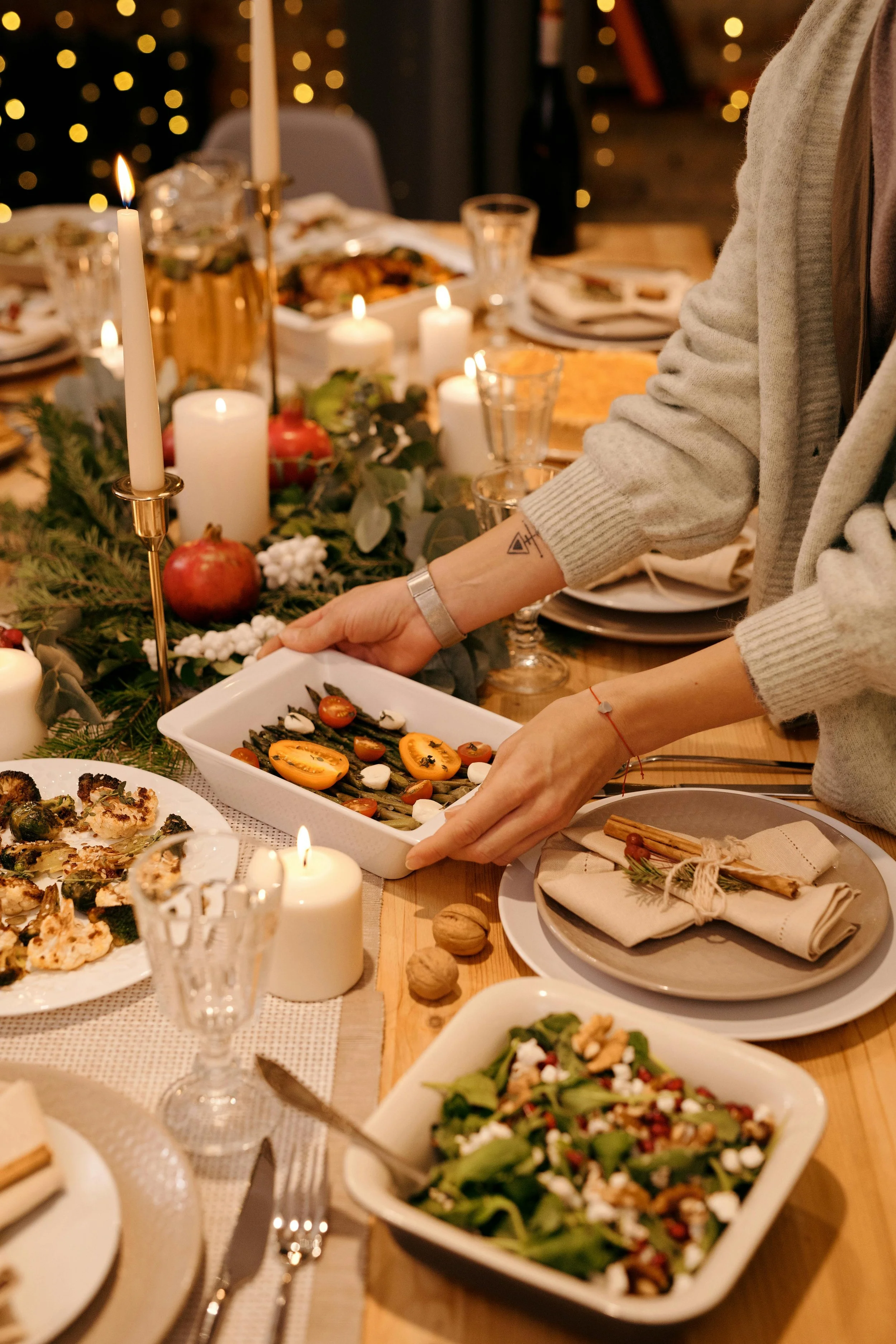
The cultural narrative surrounding holiday eating operates on the premise that people inevitably overeat during celebrations, requiring preemptive restriction before events and compensatory behaviors afterward. This framework creates a feast-or-famine mentality that actually promotes the disordered eating patterns it purports to prevent. When individuals approach holiday meals with the expectation that they will lose control, or after having restricted intake in preparation for the event, they create conditions that make eating past comfortable fullness more likely.
Holiday foods carry significance beyond their nutritional composition. Traditional dishes connect to family heritage, childhood memories, and cultural identity in ways that make their presence at celebrations meaningful, regardless of their ingredient lists. The attempt to sanitize holiday meals of traditional preparations in the service of health goals often strips gatherings of the very elements that make them emotionally satisfying. A more balanced approach acknowledges that foods consumed a few times annually during celebrations can absolutely fit into a healthy overall eating pattern and have a minimal impact on overall health as compared to daily eating habits maintained throughout the year.
The concern about weight gain during the holiday season receives disproportionate attention relative to actual data on seasonal weight changes. Research examining holiday weight gain in adult populations finds that average gain measures one to two pounds, far less than the dramatic increases suggested by popular rhetoric. For most individuals, this modest fluctuation reflects normal variation in body weight influenced by factors including increased sodium intake, changes in meal timing, and temporary shifts in hydration status rather than a meaningful gain in body mass. The anxiety invested in preventing this minimal change frequently causes more distress than the change itself would create.
Planning Practical Strategies for Holiday Gatherings
Approaching holiday celebrations with intentional strategies supports balanced eating that honors both enjoyment and internal cues without rigid rules or restriction.
Arrive Genuinely Hungry, Not Starving
Entering gatherings without having restricted food intake earlier in the day allows food choices based on actual hunger and preference rather than from a place of deprivation or starvation.
Survey Before Selecting
Taking a brief moment to assess available foods before filling a plate provides an opportunity for intentional selection of dishes that hold particular appeal or special meaning.
Attend to Internal Cues During Eating
Checking in with fullness levels periodically during meals, taking breaks between courses, and noticing satisfaction alongside fullness help identify natural stopping points rather than eating until discomfort occurs.
Release All-or-Nothing Expectations
Recognizing that some celebrations may involve eating past comfortable fullness, and that occasional instances of this carry no lasting consequences when overall eating maintains attunement to hunger and fullness signals.
These strategies prioritize internal experience as the guide for eating decisions rather than external rules about portion sizes or food categories.
Navigating Social Pressure and Food Pushing
Holiday gatherings frequently involve well-meaning family members, hosts, and friends who express care through encouraging food consumption. Comments about taking more, trying particular dishes, or having seconds stem from a genuine desire to provide hospitality rather than malicious intent, yet these interactions create pressure that complicates decision-making about personal consumption. Developing strategies for declining unwanted food offers without causing offense or inviting discussion about eating choices reduces social strain while maintaining agency over intake decisions.
Simple, direct responses that express appreciation without detailed explanation prove most effective for managing food-pushing behaviors. Phrases such as "Everything is delicious, I'm satisfied right now" or "I appreciate you offering, I may come back for more later" acknowledge the offer while declining without opening a discussion about why you are not eating more. Detailed explanations about dietary restrictions, health goals, or fullness levels often invite debate or additional pressure as others attempt to problem-solve or reassure, while brief responses close the topic efficiently.
For individuals with specific health conditions requiring dietary modifications, holiday gatherings present particular challenges around managing necessary restrictions while minimizing social attention to eating differences. Communicating with hosts beforehand about any essential dietary needs allows accommodation planning without requiring public discussion during events. Bringing a dish that meets your requirements ensures you have adequate options while contributing to the gathering. Framing dietary needs in medical terms rather than preference-based language when explanation becomes necessary typically reduces pressure or judgment from others.
Managing Multiple Celebrations Within Short Timeframes
The holiday season compresses numerous celebrations into a relatively brief period, with many individuals attending multiple gatherings weekly throughout November and December. This concentration of special meals creates different considerations than a single celebratory dinner. When special occasion eating occurs multiple times weekly, the distinction between celebration and routine becomes less clear, potentially influencing overall eating patterns more substantially than isolated events would.
Assessing the significance of each gathering helps differentiate which celebrations warrant full participation in traditional eating patterns versus which ones might receive less dietary emphasis without diminishing enjoyment. Not every holiday party, office celebration, or casual gathering carries equal emotional or social significance, and treating them differently allows for variation in eating choices across events. The work holiday party, where you barely know your colleagues, may not warrant the same food focus as the intimate family gathering with traditional preparations you look forward to annually.
Maintaining regular eating patterns on non-celebration days throughout the holiday season prevents the accumulation of restriction that can trigger reactive eating at gatherings. When breakfast, lunch, and regular dinners on ordinary days provide adequate, satisfying nutrition, the presence of multiple celebrations does not create the deprivation-driven urgency that promotes overconsumption at each event. This stability in baseline eating allows celebration meals to function as true variations rather than as relief from restriction.
Considerations for Specific Health Conditions During Holidays
Individuals managing health conditions influenced by dietary choices face additional complexity during holiday celebrations. The balance between participation in traditional eating and management of medical needs requires thoughtful consideration that accounts for both short-term symptom management and long-term health maintenance.
1. Type 2 Diabetes and Blood Sugar Management
Monitoring carbohydrate distribution across the day rather than attempting to eliminate carbohydrates from holiday meals allows participation in traditional foods while supporting blood sugar stability.
2. Gastrointestinal Conditions
Planning ahead for foods that typically trigger symptoms and bringing or choosing alternatives when necessary reduces the risk of symptom flares while allowing social participation.
3. Food Allergies and Celiac Disease
Communicating clearly with hosts about allergen concerns and potentially bringing safe alternatives (for everyone to enjoy!) ensures adequate food availability without requiring hosts to completely alter traditional preparations.
4. Heart Health and Sodium Considerations
Balancing sodium intake across multiple days rather than attempting to control intake at a single celebration often proves more practical while allowing some traditional higher-sodium foods.
5. Eating Disorder Recovery
Maintaining meal plan adherence during the holiday season, potentially with additional support from treatment teams, prevents relapse while building skills for navigating challenging food environments.
These health conditions do not preclude holiday celebration but do require advance planning, clear communication, and sometimes modification of traditional approaches to ensure that the celebration does not compromise health management.
The Role of Movement in Holiday Wellness
Physical activity during the holiday season supports well-being through stress management, mood regulation, and maintenance of routines that provide structure during potentially chaotic weeks. However, the framing of holiday movement matters substantially. Exercise positioned as punishment for eating, compensation for anticipated consumption, or as calorie-burning strategies to offset celebration meals transforms joyful movement into obligation and reinforces unhealthy relationships between eating and exercise.
Movement that genuinely serves wellbeing during the holidays might include family walks after meals that facilitate digestion and provide quality time, stress-reduction activities including yoga or stretching that manage holiday-related tension, or maintenance of enjoyable exercise routines because consistency supports mood and energy levels. These movement motivations differ fundamentally from exercising to earn food, burn off calories, or prevent weight gain, intentions that undermine both the joy of celebration and the purpose of health-supporting movement.
Finding Professional Support for Holiday Eating Challenges
For individuals with histories of disordered eating, active eating disorders, or significant health conditions influenced by dietary choices, holiday eating may present challenges that extend beyond what independent management can effectively address. Working with professionals who specialize in nutrition counseling provides support, accountability, and individualized guidance that accounts for both celebration participation and health need management.
At Appleman Nutrition, we support clients in developing sustainable approaches to holiday eating that reject the restriction-overconsumption cycle while maintaining attention to individual health needs. We recognize that celebrations form important parts of life that deserve full participation rather than being treated as nutritional obstacles to overcome. Our approach to holiday planning emphasizes maintaining positive relationships with food while supporting any necessary health-related dietary modifications through structured guidance rather than rigid rules.
Working with our team provides an opportunity to process anxieties around holiday eating, develop personalized strategies for specific situations you anticipate encountering, and receive support for implementing balanced approaches that honor both celebration and wellbeing. For individuals in eating disorder recovery, additional support during the holiday season often proves essential for maintaining progress while navigating environments that may trigger disordered thoughts or behaviors.
Approaching Celebrations with Intention Rather Than Fear
Holiday eating challenges become more manageable when approached from a foundation of overall balanced eating maintained throughout the year, a clear understanding of personal values around celebration and food, and rejection of all-or-nothing thinking that frames eating as either perfect restriction or complete abandon. Celebrations deserve full participation that includes traditional foods, enjoyment of company, and creation of positive memories unclouded by preoccupation with food choices or anxiety about dietary transgression.
If you are approaching the holiday season with concerns about managing eating during celebrations, connect with our team to develop strategies that support both health and meaningful participation in holiday traditions.
Ready to transform your relationship with food? Whether you're seeking support for eating concerns, looking to establish healthier family food dynamics, or simply want to feel more confident in your food choices, we're here to guide you every step of the way. Contact us to schedule your complimentary discovery call.