Adapting Your Diet Throughout the Year
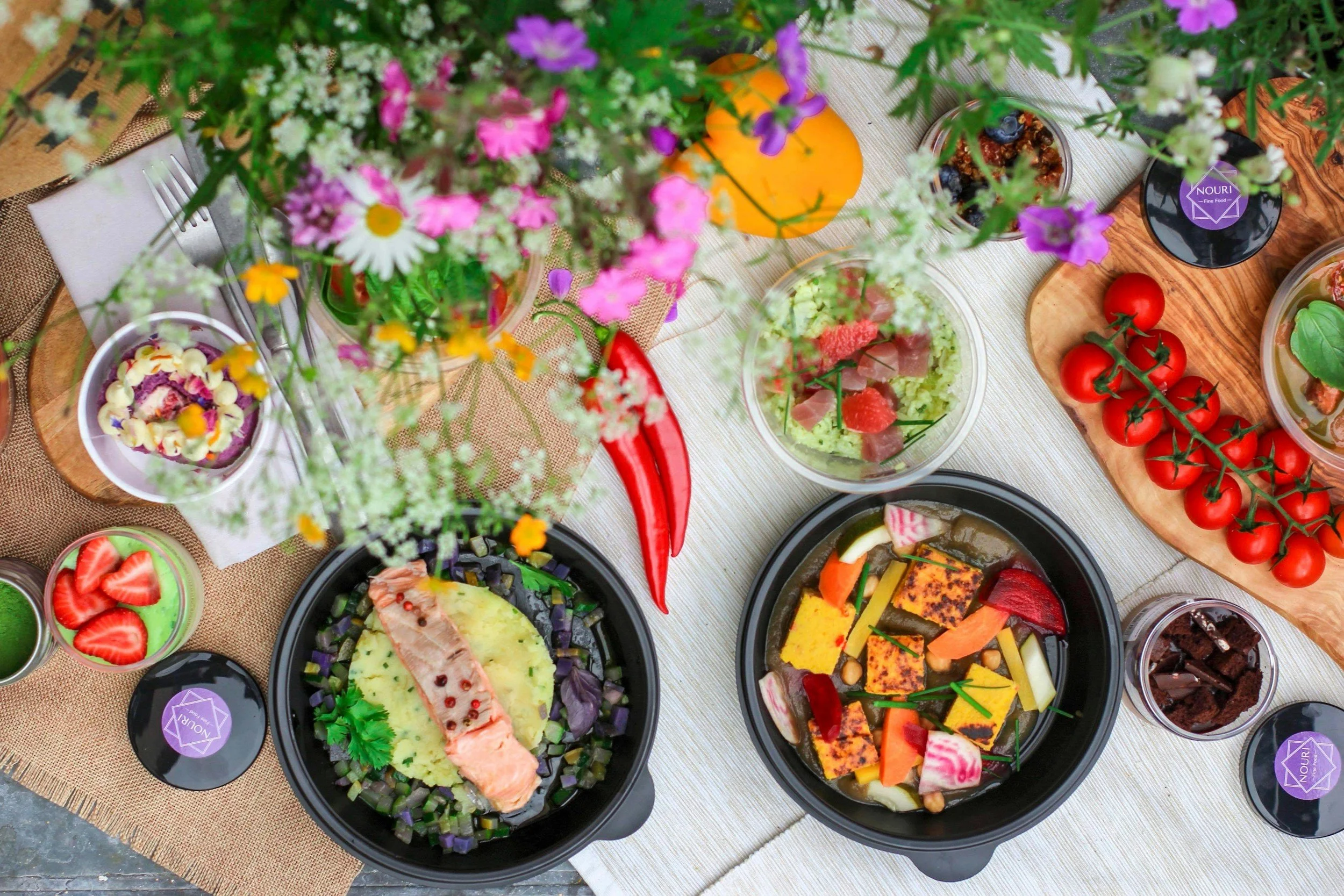
The idea of eating seasonally has become something of a wellness trend, often wrapped in messaging that makes it sound more complicated than it needs to be. At its core, the concept is straightforward. The body responds to environmental shifts, including temperature, daylight, and activity patterns, and those shifts influence what feels good to eat and what the body actually needs.
This is not a prescription to overhaul your diet four times a year. It is an observation that supports what many people intuitively already do. The foods that appeal to you in August are rarely the same ones you reach for in January, and there are good physiological reasons for that. Understanding those reasons can help you eat in a way that feels aligned with your body rather than at odds with it.
Why Seasonal Variation Makes Biological Sense
Human physiology evolved in environments where food availability and climate varied significantly across the year. While modern grocery stores have largely eliminated seasonal scarcity, the underlying physiological rhythms have not disappeared. Daylight exposure influences serotonin and melatonin production, which in turn affects appetite, cravings, and sleep. Ambient temperature affects thermoregulation, which influences hydration needs and preferred food temperatures. Activity patterns often shift with the weather, changing energy needs accordingly.
None of this means the body strictly requires different foods in different seasons. It means that the body's preferences and needs are not static, and that rigid year-round meal plans often ignore real biological signals. This is also where seasonal produce comes in. Foods harvested in season tend to be more nutrient-dense, more flavorful, and often more affordable, which is reason enough to let availability shape meal planning.
Spring: Rebuilding and Lightening
Spring is often associated with renewal, and there is some physiological basis for this. After the heavier eating patterns and reduced activity of winter, many people naturally gravitate toward lighter foods as daylight extends and outdoor activity resumes. Spring produce tends to reflect this shift, with tender greens, asparagus, radishes, peas, and early berries appearing in abundance.
This is a season where bitter greens like dandelion, arugula, and watercress are particularly worth incorporating. These foods support digestive function and liver metabolism, and they pair well with the lighter proteins and grains that tend to feel more appealing as temperatures rise. Spring is also a natural time to increase hydration as physical activity picks up.
Summer: Hydration and Cooling Foods
Summer places the greatest demand on hydration and thermoregulation. Sweat losses increase, and the body benefits from foods with high water content, electrolyte balance, and minimal digestive burden. This is why raw vegetables, fruits, and cold preparations feel right in July in a way they rarely do in January.
Summer produce aligns with these needs almost perfectly. Tomatoes, cucumbers, stone fruits, melons, berries, zucchini, and leafy greens are all at their peak, and all contribute meaningfully to fluid and electrolyte intake. Grilled lean proteins, seafood, and lighter grain preparations tend to sit well alongside this produce.
Cold beverages and frozen foods can also play a larger role in summer than they do in other seasons, though the emphasis should remain on water, herbal teas, and whole fruits rather than sugary options. Hydration is the defining nutritional theme of summer, and even mild dehydration can masquerade as hunger, fatigue, or poor concentration.
Fall: Transition and Stabilization
Fall is a transitional season, and the body often reflects that. Appetite tends to increase as daylight shortens and temperatures drop, which is a normal physiological response rather than a failure of discipline. Fall produce supports this shift naturally, with squashes, apples, pears, root vegetables, Brussels sprouts, and dark leafy greens taking center stage.
This is a season where warming preparations like roasting, braising, and soup-making become more appealing, and where heartier grains like farro, barley, and wild rice pair well with seasonal produce. The fiber content of fall vegetables is particularly notable and supports digestive health as eating patterns shift. We explore the connection between food and digestive function in more depth in what is the gut-brain axis and how does diet affect it.
Winter: Density and Warmth
Winter brings the greatest nutritional shift for most people. Reduced daylight, colder temperatures, and often reduced physical activity all contribute to changes in appetite, cravings, and energy needs. Carbohydrate cravings in winter are partially driven by serotonin regulation, which is influenced by light exposure, and they are not simply a matter of willpower.
Winter is a season where nutrient density matters more than volume. With fresh local produce less available in many climates, emphasis shifts to hearty stored vegetables like cabbage, kale, winter squash, potatoes, carrots, beets, and onions, along with citrus fruits that come into season. Warming preparations dominate, and the body often tolerates and benefits from richer meals than it does in summer.
Below are the categories of winter-supportive foods that our clinicians often recommend clients lean into during the colder months.
1. Warming Soups and Stews
Slow-cooked soups and stews built around vegetables, legumes, and lean proteins provide concentrated nutrition, easy digestion, and the sensory comfort that cold weather tends to call for. These preparations also make it easier to meet vegetable intake goals when raw options are less appealing.
2. Roasted Root Vegetables
Carrots, parsnips, sweet potatoes, beets, and winter squash become naturally sweet when roasted, provide steady energy, and offer substantial fiber and micronutrient content. They store well and work across a range of meals.
3. Hearty Whole Grains
Grains like oats, barley, farro, and brown rice pair well with winter vegetables and proteins, and provide the sustained energy that winter's reduced activity often still calls for.
4. Legumes and Pulses
Lentils, beans, and chickpeas are affordable, shelf-stable, and nutritionally dense. They anchor vegetarian winter meals and extend the volume of soups and stews without the cost of additional meat.
5. Citrus and Winter Greens
Oranges, grapefruits, lemons, and winter greens like kale, collards, and chard provide vitamin C and other micronutrients that support immune function during the season when respiratory illness is most common.
6. Healthy Fats for Satiety
Nuts, seeds, olive oil, and fatty fish like salmon support satiety, hormone production, and skin health during the drier winter months when these concerns often come up.
These categories are not a prescription. They are a framework for the kinds of foods that tend to work well when the body is asking for warmth, density, and comfort.
Working With Your Body Across the Year
The thread running through all of this is that the body provides useful information across the seasons, and rigid adherence to a single year-round eating pattern often ignores that information. This does not mean abandoning structure or consistency. It means building enough flexibility into your approach that seasonal shifts are accommodated rather than fought.
If you are interested in building a nutrition approach that works with your body across the year rather than against it, our team offers individual nutrition counseling designed to meet you where you are. Reach out to us to schedule a consultation.
Ready to transform your relationship with food? Whether you're seeking support for eating concerns, looking to establish healthier family food dynamics, or simply want to feel more confident in your food choices, we're here to guide you every step of the way. Contact us to schedule your complimentary discovery call.