The daily question of what to make for dinner can feel overwhelming, especially when you're balancing work schedules, children's activities, varying food preferences, and the desire to provide balanced nutrition. Freezer-friendly meals offer a practical solution by allowing you to prepare food when you have time and energy, then simply reheat on busy evenings. This approach isn't about elaborate meal prep systems or spending entire weekends cooking. It's about strategic preparation that reduces daily stress while ensuring your family has access to balanced, satisfying meals.
Why Freezer Meals Work for Families
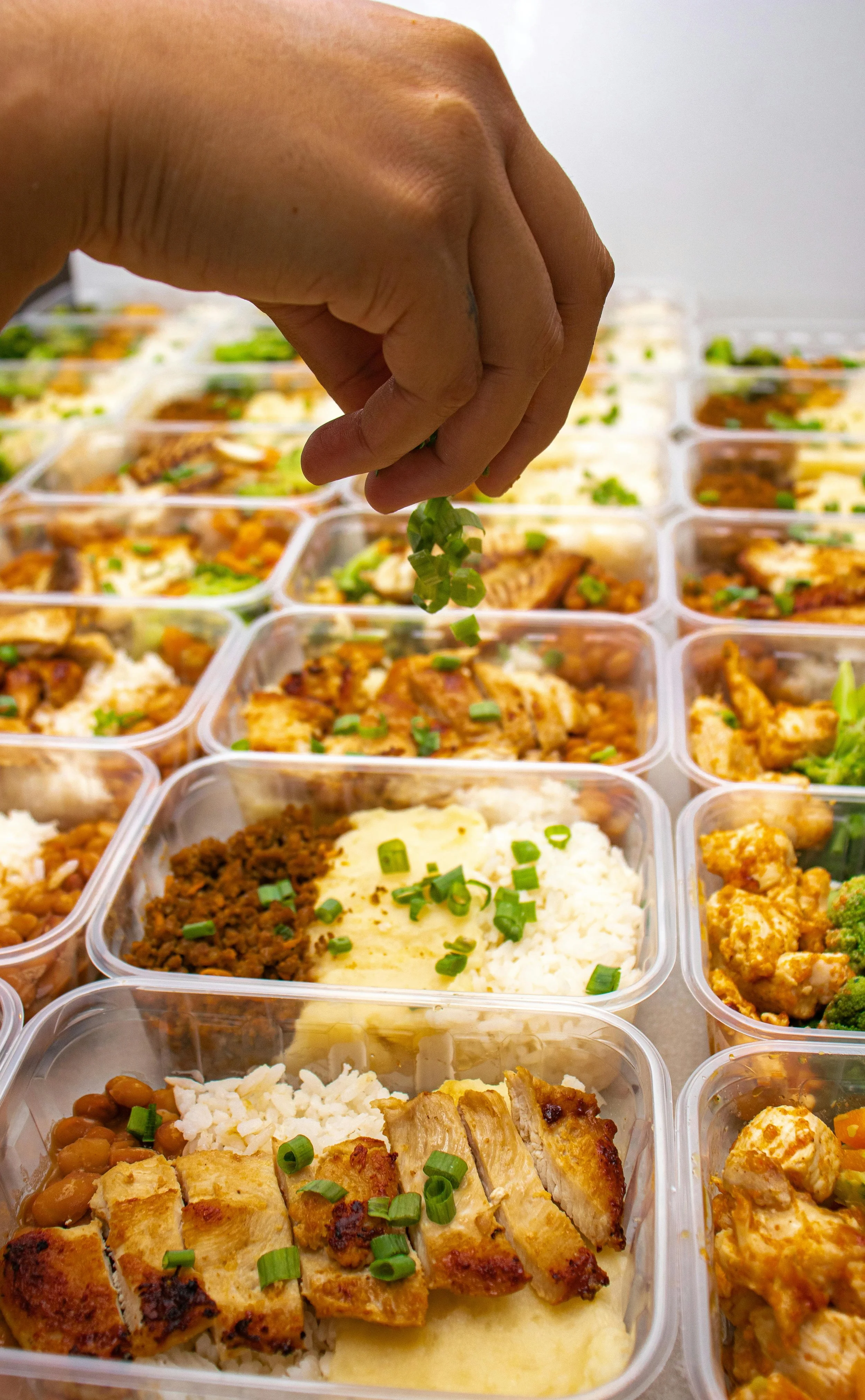
Freezer meals address multiple challenges that make family dinners difficult. They eliminate the need for daily cooking decisions when you're already depleted from the day. They reduce the temptation to order takeout or rely on convenience foods when time is short. They allow you to take advantage of sales or bulk purchasing without food waste. Perhaps most importantly, they remove the pressure of cooking from scratch every single evening.
For families with varying schedules, freezer meals mean different family members can eat at different times without requiring you to cook multiple times. For families managing picky eating, having reliable meal options reduces the anxiety around whether children will eat what's prepared. For anyone managing busy periods, having freezer meals available prevents the cascade of stress that happens when hunger hits and nothing is ready.
The key to successful freezer meals is choosing recipes that actually freeze and reheat well, preparing them strategically, and storing them properly. Not every recipe is suitable for freezing, and understanding which foods maintain quality after freezing determines whether this approach will actually help or create more work.
Choosing What Freezes Well
Certain foods and preparations maintain their texture, flavor, and appeal after freezing and reheating, while others become unpalatable or require so much effort to restore that they're not worth freezing. Understanding these differences prevents disappointment and wasted effort.
Soups, Stews, and Chilis
These dishes often improve with time as flavors develop and hold up exceptionally well through freezing and reheating.
Casseroles with Pasta or Grains
Baked dishes containing pasta, rice, or other grains maintain their structure and texture when properly frozen and reheated.
Cooked Meats in Sauce
Proteins cooked in liquid or sauce stay moist through the freezing process and reheat without becoming dry or tough.
Meatballs and Meatloaf
Ground meat preparations freeze exceptionally well and can be reheated directly from frozen or thawed first.
Cooked Beans and Legumes
Both homemade and canned beans maintain their texture through freezing, making them ideal for batch preparation.
Tomato-Based Sauces
Marinara, bolognese, and other tomato sauces freeze beautifully and provide versatile bases for multiple meals.
Cooked Grains
Rice, quinoa, and other cooked grains can be portioned and frozen, then quickly reheated to accompany other dishes.
Foods That Don't Freeze Well
Raw vegetables intended for fresh eating, dairy-based sauces that may separate, fried foods that lose crispness, most fresh herbs, mayonnaise-based dishes, and delicate greens should be added fresh when serving rather than frozen.
This doesn't mean your family can only eat a limited rotation of freezer-friendly dishes. It means thinking strategically about what you prepare in advance versus what you add fresh. You might freeze a base soup or sauce and add fresh vegetables when reheating, or freeze cooked protein separately from components that don't freeze as well. Our family nutrition counseling includes practical strategies for building balanced meals using freezer-friendly components.
Strategic Batch Cooking Sessions
Batch cooking doesn't require marathon weekend cooking sessions, though some families find that approach works for them. More sustainable for most people is incorporating small-batch cooking into regular routines. When you're already making dinner, double the recipe and freeze half. When a recipe calls for browning ground meat, brown extra and freeze in portions for future use. When chopping vegetables, prepare extra for freezing.
For families ready to dedicate specific time to meal preparation, planning batch cooking sessions around similar ingredients or cooking methods increases efficiency. If you're preparing lasagna, simultaneously make a batch of baked ziti or stuffed shells using similar components. If you're cooking chicken for one meal, cook extra chicken in different preparations for multiple freezer meals.
The preparation itself matters for quality and convenience. Cool foods completely before freezing to prevent ice crystal formation that affects texture. Divide meals into portions appropriate for your family size rather than freezing large quantities that require thawing everything at once. Label everything clearly with contents and date because identifying frozen food later proves surprisingly difficult.
Using proper containers prevents freezer burn and maintains quality. Freezer-safe bags work well for items that can be flattened, making them easier to stack and thaw quickly. Rigid containers work better for liquids like soups and sauces. Removing as much air as possible from packaging prevents oxidation and freezer burn that affect both flavor and texture.
Balancing Nutrition in Freezer Meals
Freezer meals can absolutely support balanced family nutrition when planned thoughtfully. The goal is to include protein sources, vegetables or fruits, and grains or starches in proportions that meet your family's needs. This doesn't mean every freezer meal must be a complete, perfectly balanced plate, but rather that your overall approach to freezer meals contributes to adequate nutrition.
Some freezer meals work best as complete, balanced dishes like chicken and vegetable stir-fry over rice, beef chili with beans, or pasta with meat sauce and added vegetables. Others work better as components that you combine with fresh elements at serving time. You might freeze cooked chicken in portions and pair it with fresh salad and bread when serving, or freeze a hearty soup and serve it with fresh fruit and whole-grain crackers.
The freezer-friendly approach also allows you to have backup options when children's eating becomes particularly challenging. Having accessible, familiar foods reduces mealtime stress and ensures adequate intake even during difficult phases. This doesn't mean catering to picky eating by only preparing preferred foods, but rather having reliable options that prevent the evening from deteriorating into conflict when nothing else works.
Vegetables in freezer meals deserve particular attention. Many vegetables become mushy or lose flavor when frozen in complete dishes. Strategies include slightly undercooking vegetables before freezing, adding frozen vegetables directly to dishes during reheating, or planning to add fresh vegetables when serving. Roasted vegetables generally freeze better than steamed or boiled vegetables because the reduced moisture content prevents textural changes.
Making Freezer Meals Work for Your Family
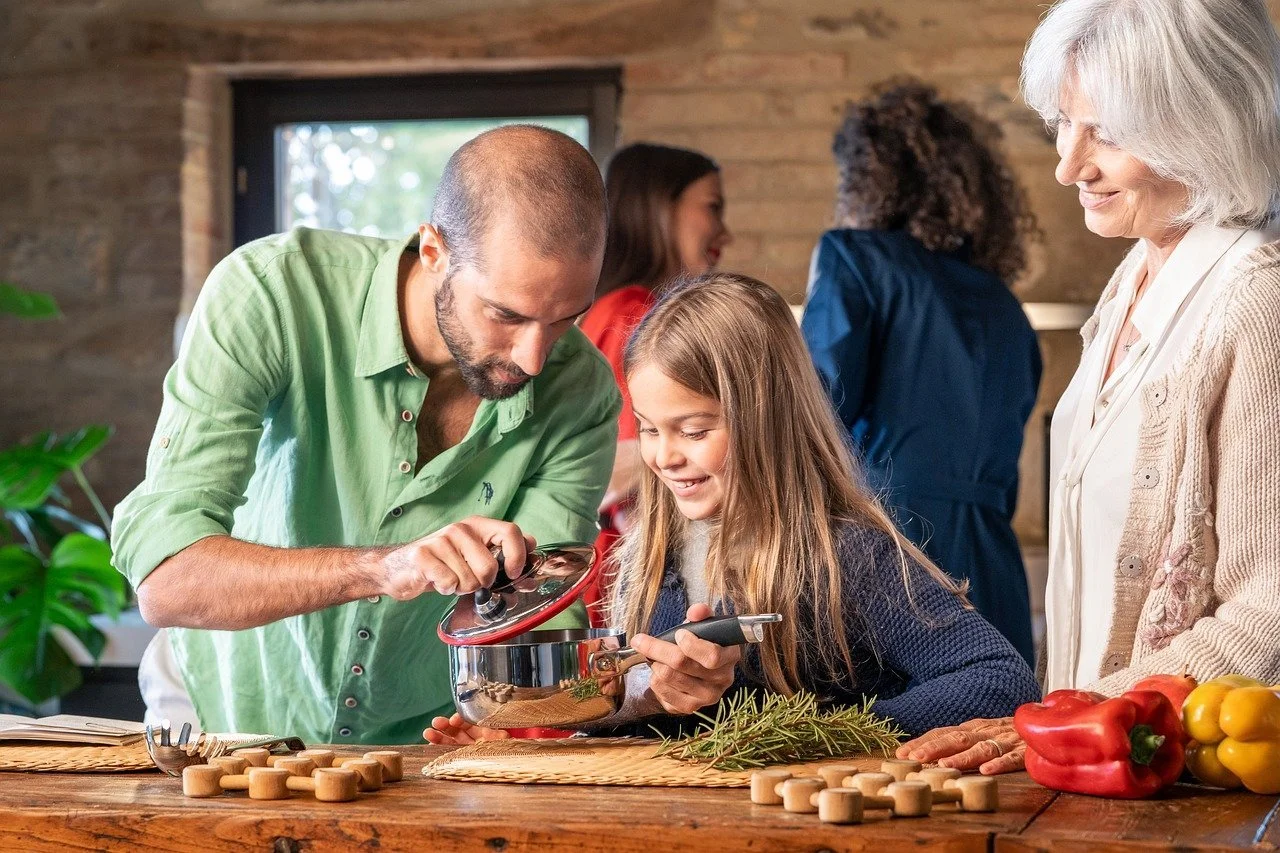
The most elaborate freezer meal system won't help if it doesn't match your family's actual eating patterns, preferences, and schedule. Consider what you actually eat for dinner, not what you think you should eat. If your family rarely eats soup, filling your freezer with various soups won't reduce dinner stress. If your children have strong texture preferences, choosing freezer meals that maintain appealing textures becomes essential.
Think about your defrosting and reheating capacity. Do you typically remember to move something from the freezer to the refrigerator the night before, or do you need meals that can go directly from the freezer to cooking? Do you have a microwave that works well for reheating, or do you need meals that reheat on the stovetop or in the oven? These practical considerations determine whether freezer meals actually simplify your life or create different challenges.
Start small if you're new to freezer meals. Choose two or three recipes that your family already enjoys and that freeze well. Prepare them and see how the process works for your household. Adjust based on what you learn before committing to larger batch cooking sessions. Some families discover they prefer having freezer meal components like cooked proteins and grains that can be combined in various ways, rather than complete frozen meals.
The goal isn't perfection or elaborate systems. It's reducing the daily mental load of figuring out dinner and ensuring your family has access to balanced meals even during busy or stressful periods. Our approach helps families develop practical meal planning strategies that actually work with their specific circumstances, preferences, and nutritional goals rather than imposing idealized systems that don't fit real life.
Ready to transform your relationship with food? Whether you're seeking support for eating concerns, looking to establish healthier family food dynamics, or simply want to feel more confident in your food choices, we're here to guide you every step of the way. Contact us to schedule your complimentary discovery call.