Foods That Help and Foods That Hurt When Having Hot Flashes
Hot flashes disrupt daily life in ways that extend far beyond physical discomfort. The sudden heat, sweating, and anxiety that accompany these episodes can interfere with work, sleep, social activities, and overall quality of life. While hormonal changes during perimenopause and menopause drive these symptoms, the foods you eat can either exacerbate or help moderate their frequency and intensity.

Understanding the Hot Flash Response
Hot flashes occur when declining estrogen levels affect the hypothalamus, the part of your brain that regulates body temperature. This creates a heightened sensitivity to small temperature changes, triggering your body's cooling mechanisms even when external temperatures haven't changed. The result is the familiar cascade of heat, flushing, rapid heartbeat, and perspiration.
Certain foods and beverages influence this already sensitive thermoregulatory system by affecting blood vessel dilation, body temperature, stress hormones, and inflammatory processes. Understanding which foods tend to trigger symptoms and which may offer relief allows you to make informed choices that support your comfort and well-being during this transition.
Research on menopause nutrition demonstrates that dietary modifications can meaningfully reduce symptom severity for many women, though individual responses vary significantly. What triggers intense hot flashes for one person may have no effect on another, making personalized assessment essential.
Foods That May Intensify Hot Flashes
Several categories of foods and beverages have been consistently associated with increased hot flash frequency or intensity:
Caffeine
Coffee, tea, energy drinks, and chocolate contain compounds that stimulate the central nervous system and can trigger the body's heat response.
Alcohol
Alcoholic beverages cause blood vessel dilation and body temperature elevation, often triggering hot flashes within minutes of consumption.
Spicy Foods
Capsaicin and other compounds in hot peppers, curries, and heavily spiced dishes directly stimulate heat receptors and increase body temperature.
Added Sugars and Refined Carbohydrates
Foods that cause rapid blood sugar spikes and subsequent crashes can trigger hot flashes through hormonal and inflammatory pathways.
Hot Beverages
The temperature of drinks themselves can initiate the hot flash response, regardless of their actual content.
Individual tolerance varies considerably, and complete elimination of all potential triggers often creates more stress than benefit. The goal is awareness rather than rigid restriction.
Foods That May Help Reduce Hot Flashes
While no food eliminates hot flashes entirely, certain dietary patterns and specific foods appear to support hormonal balance and reduce symptom severity:
1. Phytoestrogen-Rich Foods
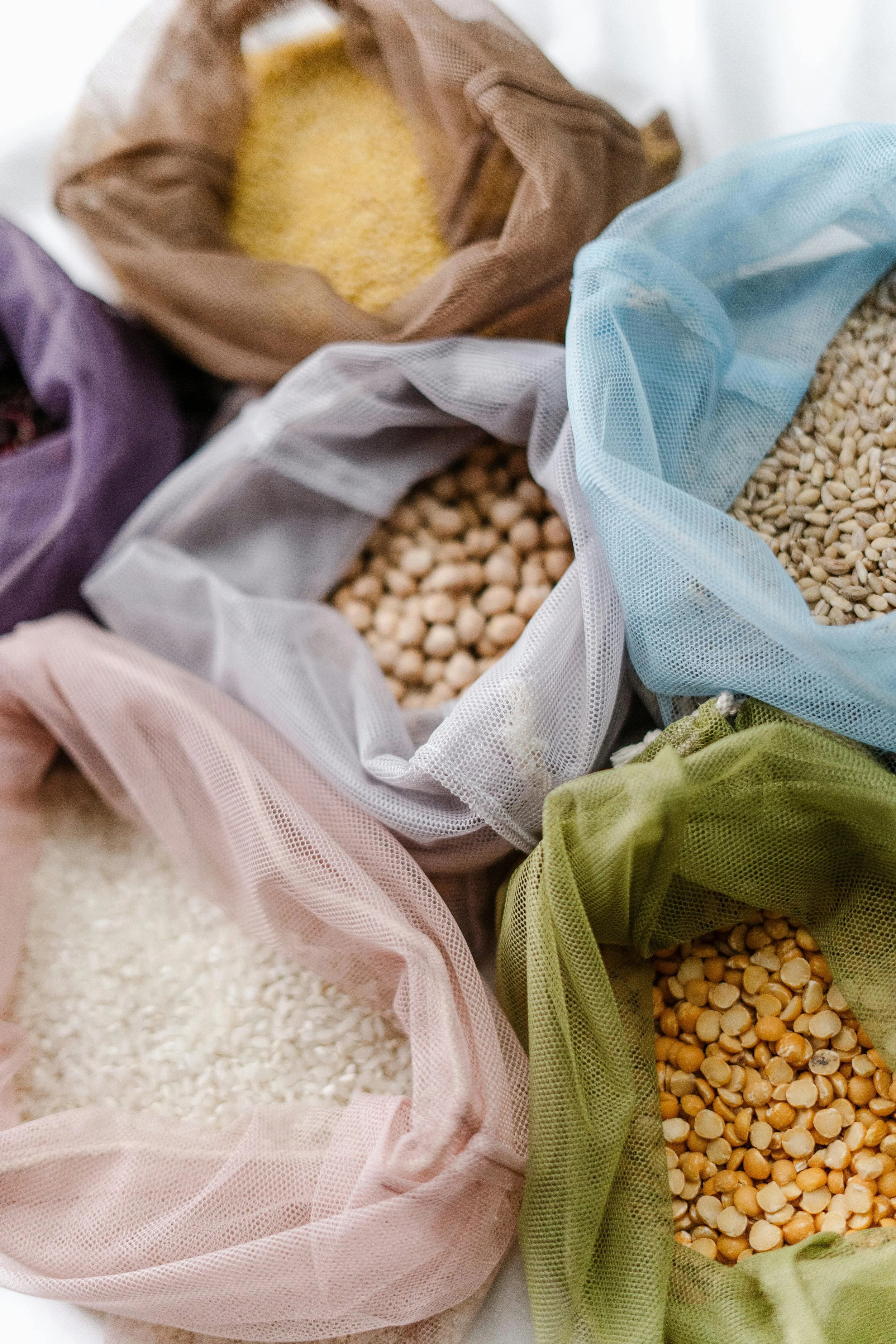
Whole soy foods such as soybeans, tofu, tempeh, flaxseeds, and sesame seeds contain plant compounds with mild estrogen-like effects that may help compensate for declining hormone levels.
2. Omega-3 Fatty Acids
Fatty fish like salmon, sardines, and mackerel contain anti-inflammatory fats that support overall hormonal function and may reduce hot flash intensity.
3. Whole Grains and Fiber
Foods like oats, quinoa, brown rice, and legumes help stabilize blood sugar levels, preventing the spikes and crashes that can trigger symptoms.
4. Cooling Foods
Cucumbers, watermelon, leafy greens, and other high-water-content vegetables support hydration and have a naturally cooling effect on the body.
5. Calcium and Vitamin D Sources
Dairy products, fortified plant milks, and leafy greens support bone health during a period when bone density naturally declines.
The most effective approach combines these supportive foods with adequate overall nutrition rather than relying on any single "miracle" ingredient.
The Bigger Picture Beyond Trigger Foods
Hot flash management through diet extends beyond simply avoiding triggers and incorporating helpful foods. Several broader nutritional factors influence symptom severity and overall comfort during perimenopause and menopause.
Adequate hydration plays a crucial role in thermoregulation. Women experiencing frequent hot flashes often benefit from increasing fluid intake throughout the day, though this doesn't mean forcing excessive amounts of water. Balanced hydration supports your body's natural cooling mechanisms without creating additional discomfort.
Blood sugar stability matters more than many people realize. The hormonal cascade triggered by blood sugar fluctuations can exacerbate hot flashes independent of the specific foods consumed. Regular meals and snacks that combine protein, healthy fats, and complex carbohydrates help maintain steady glucose levels throughout the day.
Body weight and composition influence hot flash frequency and intensity through multiple mechanisms. Adipose tissue produces estrogen, and changes in body composition during menopause affect this production. Additionally, excess body weight may contribute to increased core body temperature. However, pursuing weight loss through restrictive dieting often worsens symptoms by creating additional metabolic stress.
Stress and cortisol levels interact significantly with menopausal symptoms. Foods that support stress management, including those rich in B vitamins, magnesium, and complex carbohydrates, may help moderate the stress-hot flash connection. Individual nutrition counseling can help identify personalized strategies that address both nutritional needs and stress management.
Finding Your Personal Pattern
Generic lists of trigger foods provide a starting point, but your individual response pattern matters most. Some women find that coffee has no effect on their hot flashes, while others notice immediate symptoms after even small amounts. Similarly, moderate alcohol consumption may be perfectly tolerable for some women while triggering severe episodes in others.
Systematic observation helps identify your specific triggers without creating unnecessary food anxiety. Rather than eliminating entire categories preemptively, notice patterns in your symptoms. Do hot flashes increase after certain meals or beverages? Does timing matter, such as symptoms worsening with evening alcohol but not affecting you earlier in the day?
This exploration works best when approached with curiosity rather than judgment. The goal isn't perfect avoidance of all potential triggers, but rather informed decision-making about when and how to include foods you enjoy. If you know that wine tends to trigger hot flashes, you can choose whether the enjoyment of an occasional glass outweighs the temporary discomfort, or whether you'd prefer to skip it entirely.
Digestive health nutrition principles also apply here, as gut health influences hormonal metabolism and inflammatory processes that affect hot flash severity. Women with underlying digestive concerns may benefit from addressing these issues as part of their overall approach to menopausal symptom management.
When Professional Guidance Helps
If hot flashes significantly disrupt your daily life despite dietary modifications, or if you're confused about how to balance symptom management with adequate nutrition, professional support can clarify the path forward. Nutrition counseling for perimenopause and menopause addresses the full complexity of your situation rather than offering generic meal plans.
We work with women to develop sustainable eating patterns that support symptom reduction without creating nutritional deficiencies or fostering an anxious relationship with food. This might involve structured food and symptom tracking to identify personal triggers, meal timing strategies that support blood sugar stability, or guidance on incorporating phytoestrogens and other beneficial foods in amounts that make sense for your lifestyle.
The menopausal transition involves multiple interconnected factors beyond just hot flashes. Weight changes, sleep disruption, mood fluctuations, and metabolic shifts all influence and are influenced by nutrition. Comprehensive support addresses these relationships rather than focusing narrowly on symptom elimination.
Moving Forward With Confidence
Hot flashes represent a normal, if uncomfortable, part of the menopausal transition. While you cannot eliminate them entirely through dietary changes alone, informed food choices can meaningfully reduce their frequency and intensity for many women. The most sustainable approach balances symptom management with nutritional adequacy, food enjoyment, and realistic lifestyle integration.
Rather than pursuing perfection or rigid avoidance of all potential triggers, focus on patterns that support your overall well-being. Small, consistent changes in your eating patterns often produce better results than dramatic dietary overhauls that prove impossible to maintain long-term.
Ready to transform your relationship with food? Whether you're seeking support for eating concerns, looking to establish healthier family food dynamics, or simply want to feel more confident in your food choices, we're here to guide you every step of the way. Contact us to schedule your complimentary discovery call.