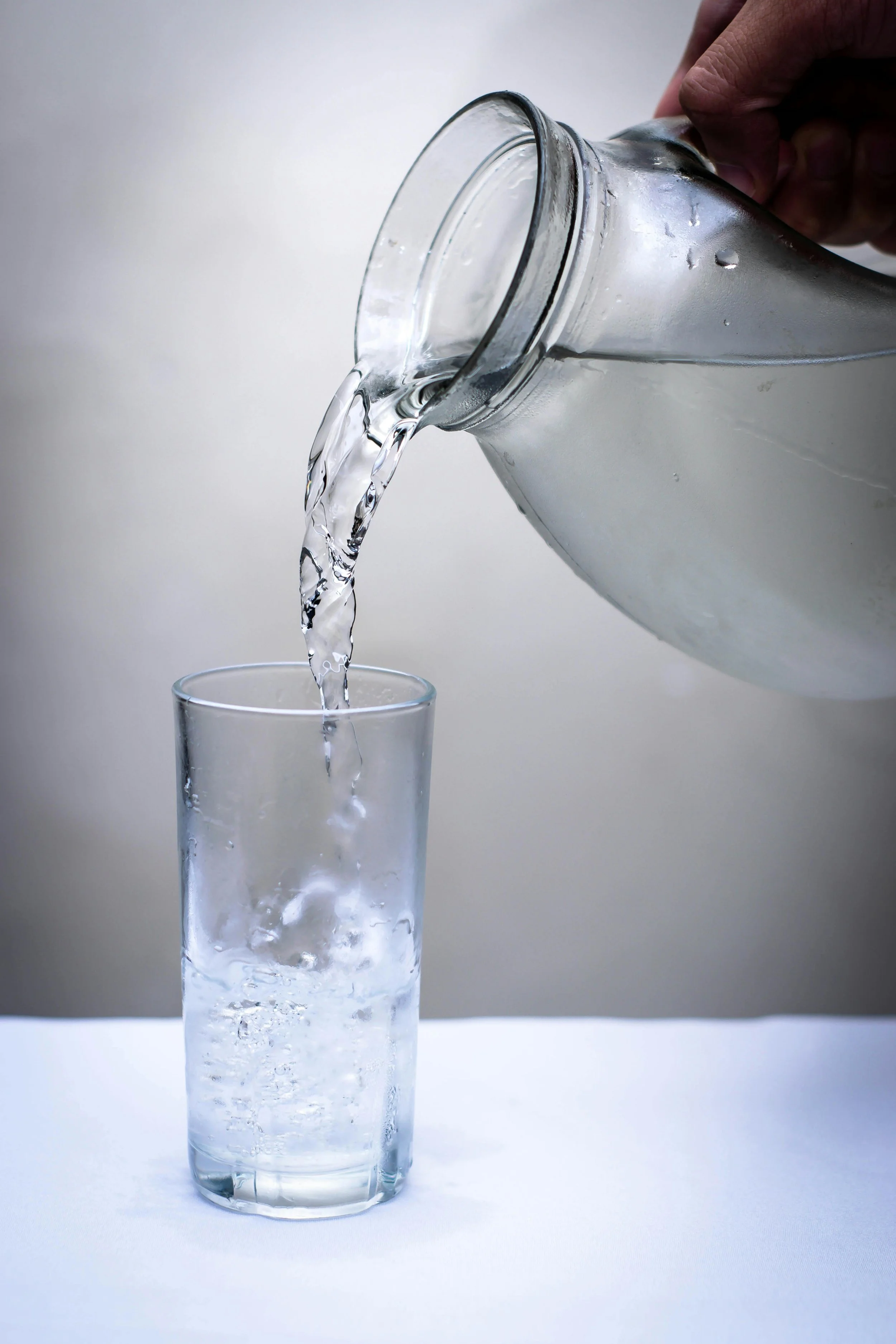
Adequate hydration supports virtually every physiological process, from nutrient transport and temperature regulation to cognitive function and digestive health. Yet many people struggle to consume enough fluids throughout the day, finding plain water monotonous or simply forgetting to drink regularly. Understanding the full spectrum of hydrating options allows you to meet your fluid needs in ways that feel sustainable and enjoyable.
Understanding Hydration Needs
Hydration requirements vary significantly based on body size, activity level, climate, health status, and individual factors like medications or medical conditions. While general guidelines suggest specific daily water intake targets, these numbers represent approximations rather than rigid requirements. Your actual needs may be higher or lower depending on your circumstances.
Signs of adequate hydration include pale yellow urine, regular urination throughout the day, moist mucous membranes, good skin elasticity, and consistent energy levels. Conversely, indicators of inadequate hydration include dark urine, infrequent urination, dry mouth and lips, headaches, fatigue, and difficulty concentrating.
The body obtains fluid from three sources: beverages consumed, water content in foods, and metabolic water produced during cellular processes. This means hydration doesn't require drinking plain water exclusively. Many foods and beverages contribute substantially to your total fluid intake.
Hydrating Beverages Beyond Plain Water
Multiple beverage options provide hydration while offering variety in taste, temperature, and nutritional composition:
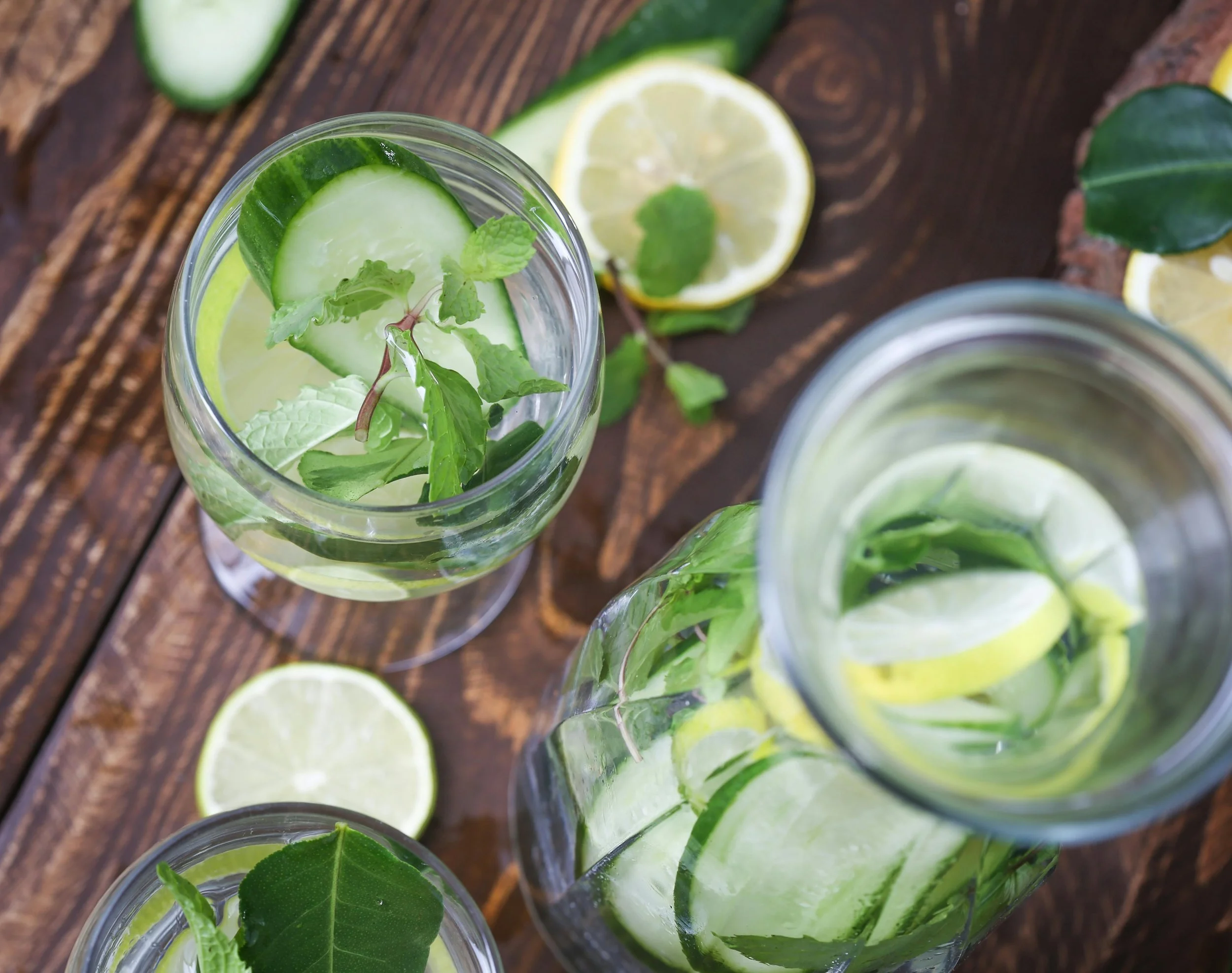
Infused Water
Adding fresh fruits, vegetables, or herbs transforms plain water into flavorful drinks without added sugars or artificial ingredients. Fresh berries or citrus, sliced cucumbers, and fresh mint are easily accessible and delicious options.
Adding chia seeds to your fluid of choice will also boost hydration as these seeds can hold up to 12 times their weight in water, thereby acting as little time-release hydration capsules once ingested. As an added bonus, they also contribute omega-3 fatty acids, great for the heart and brain.
Herbal and Decaffeinated Teas
Hot or iced herbal teas provide hydration with diverse flavors, and many contain beneficial plant compounds that support overall health.
Milk and Plant-Based Alternatives
Dairy milk and fortified plant milks contribute fluid, along with protein, calcium, and other nutrients.
Coconut Water
This natural beverage provides electrolytes and has a mild, slightly sweet flavor that many people find more palatable than plain water.
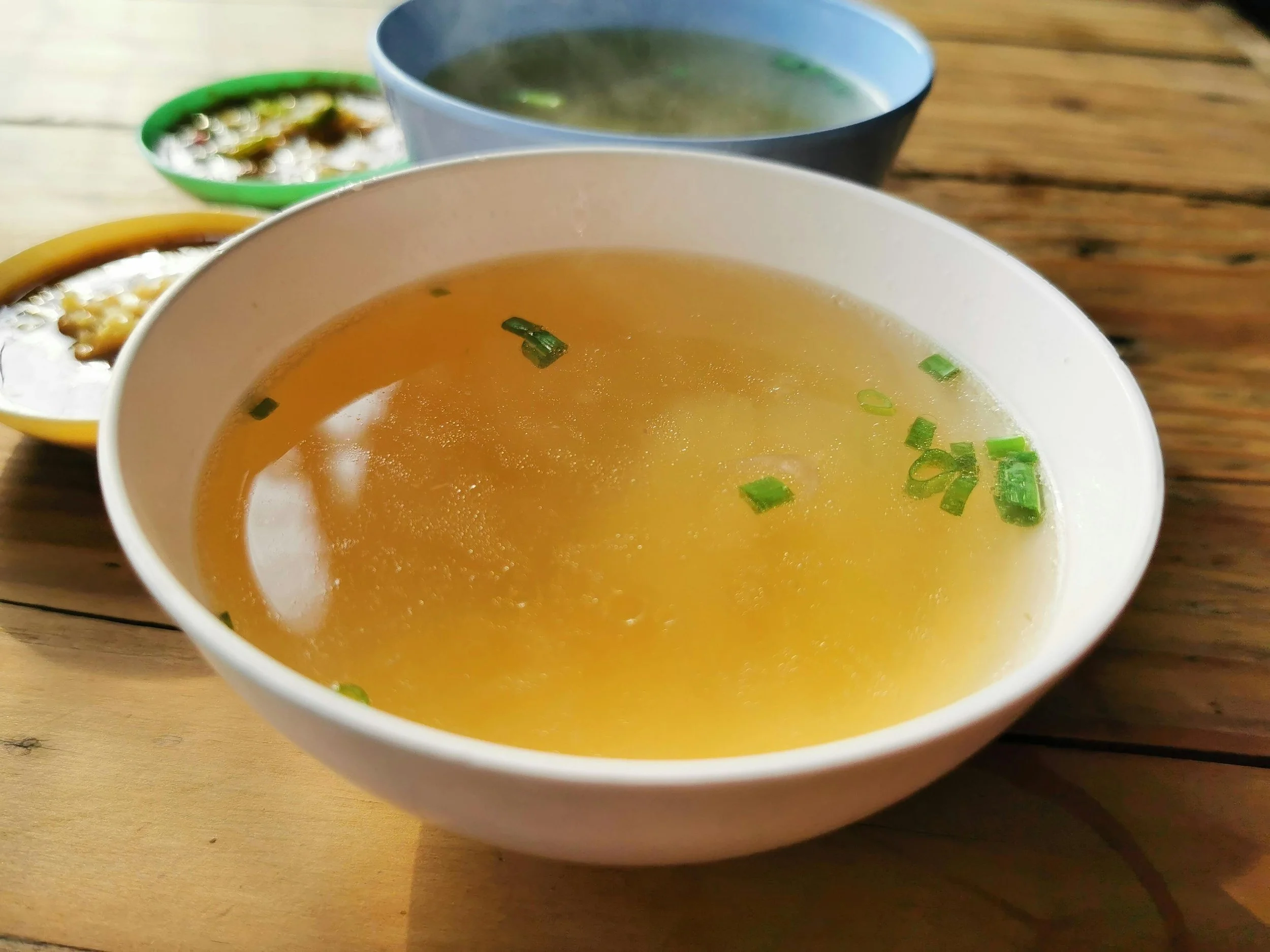
Broths and Clear Soups
Warm, savory liquids contribute to hydration while providing comfort, especially during illness or in cold weather. It’s important to be aware of the sodium content of these options, as some may be quite high.
The key to strong hydration is selecting options that you actually enjoy and will consume consistently, rather than forcing yourself to drink beverages you find unpleasant in pursuit of hydration.
Hydrating Foods That Count
Many people don't realize how significantly certain foods contribute to total fluid intake. Water-rich foods can provide substantial hydration while delivering essential nutrients:
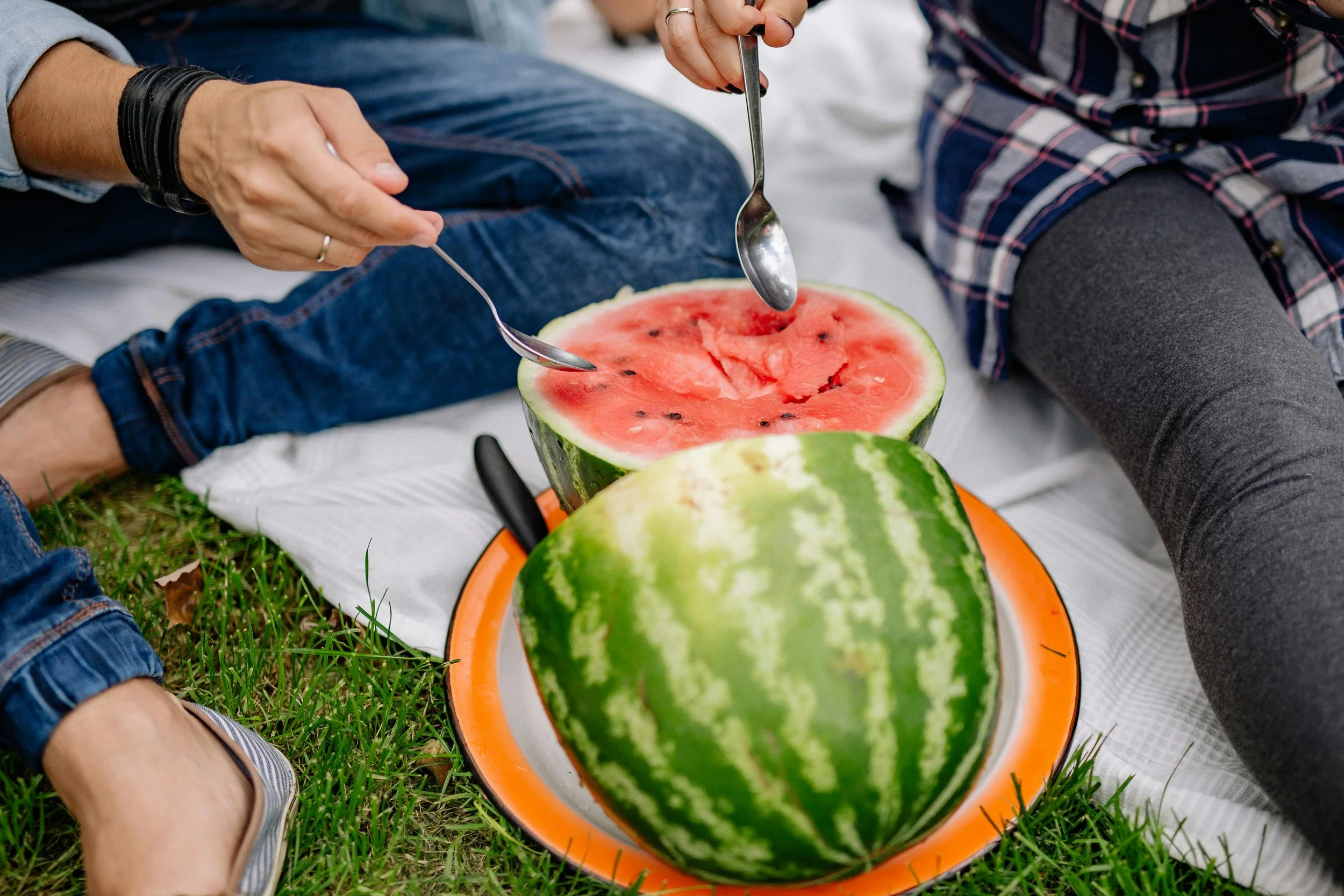
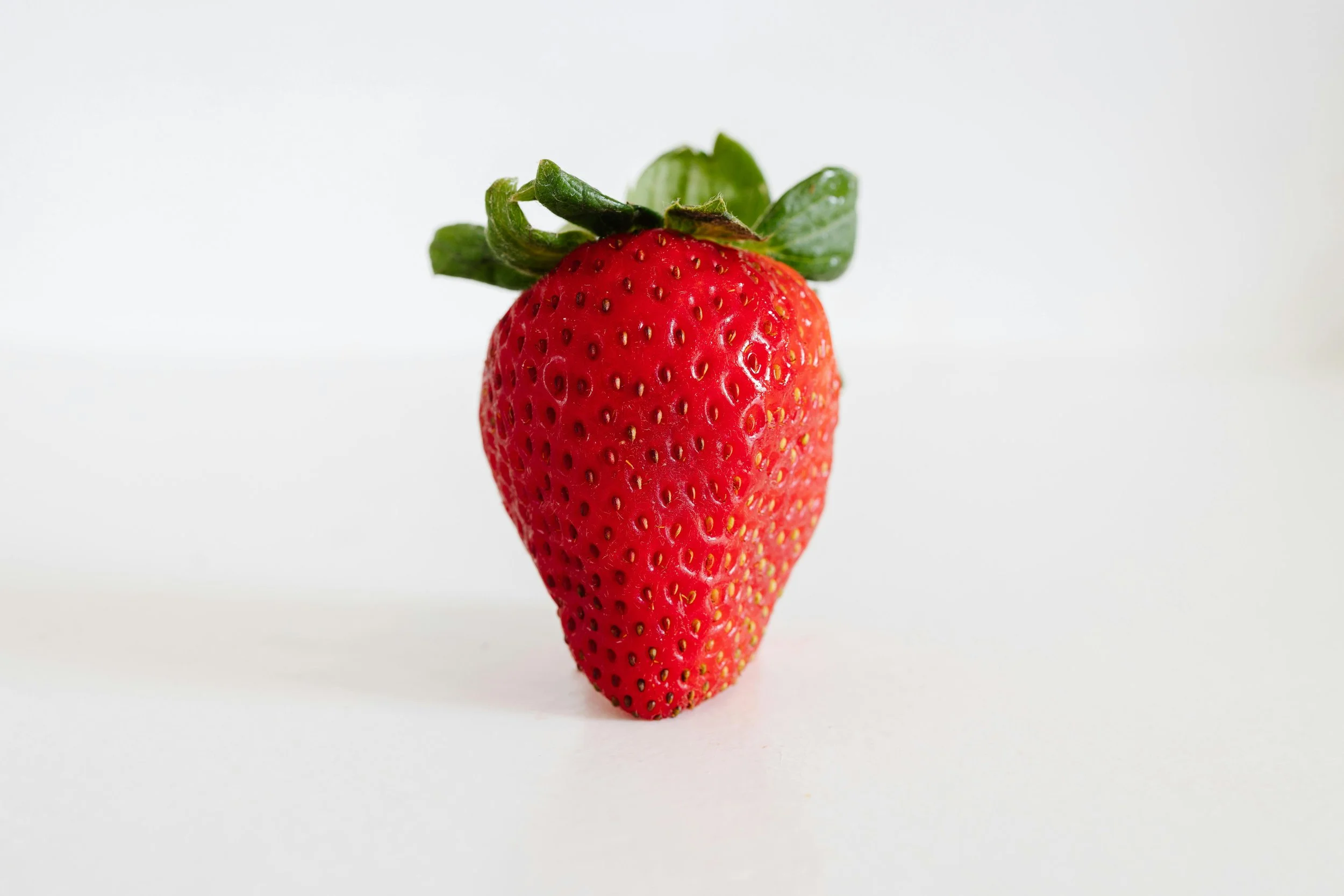
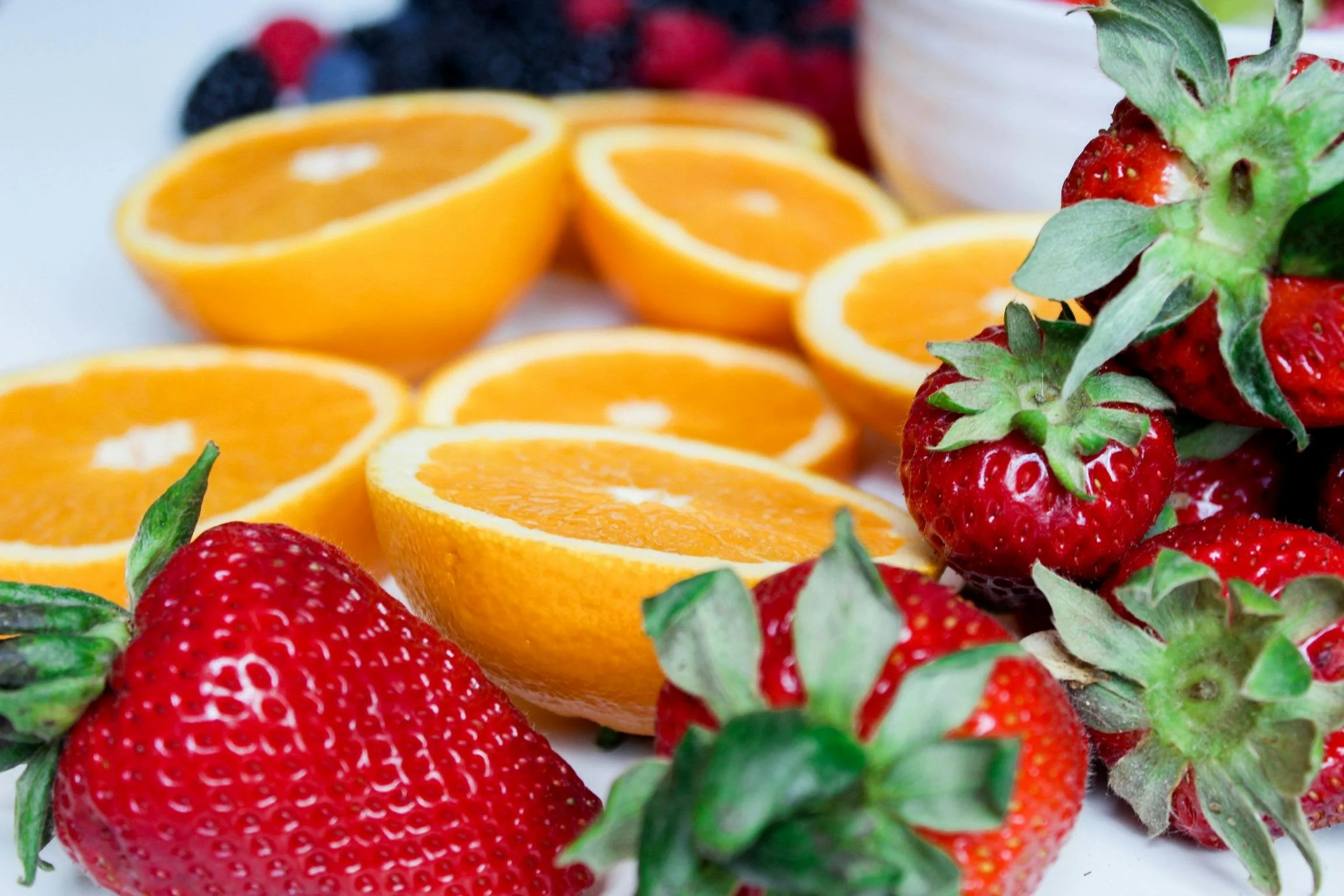
High-Water Fruits: Watermelon, strawberries, cantaloupe, peaches, and oranges contain 85-92% water by weight.
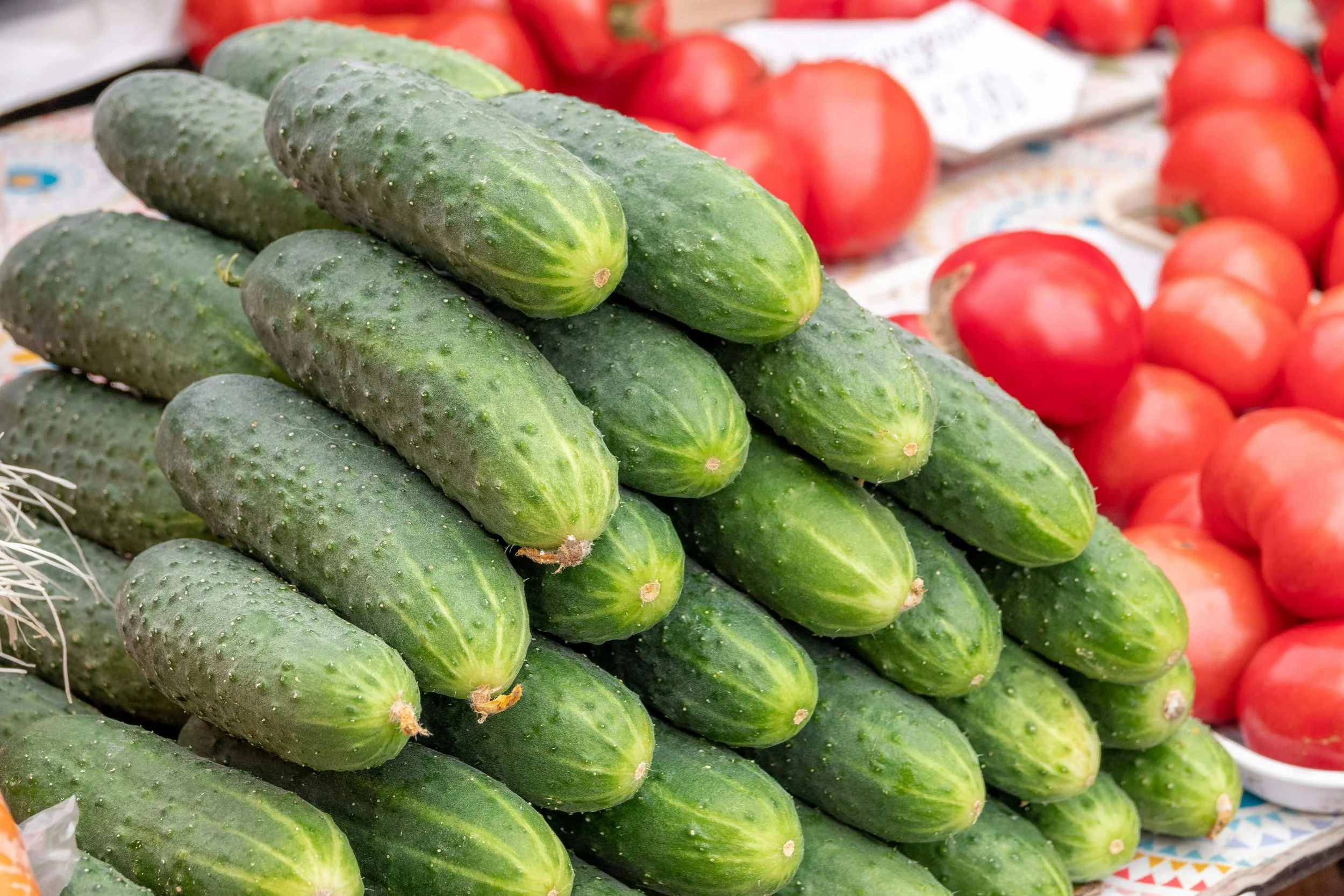
Hydrating Vegetables: Cucumbers, lettuce, celery, zucchini, and tomatoes provide both fluids and important vitamins and minerals.
Yogurt and Cottage Cheese: These dairy products contain high water content along with protein and probiotics that support digestive health.
Soups and Stews: Beyond clear broths, heartier soups contribute significant fluid while providing complete meals. Just be mindful of the sodium content.
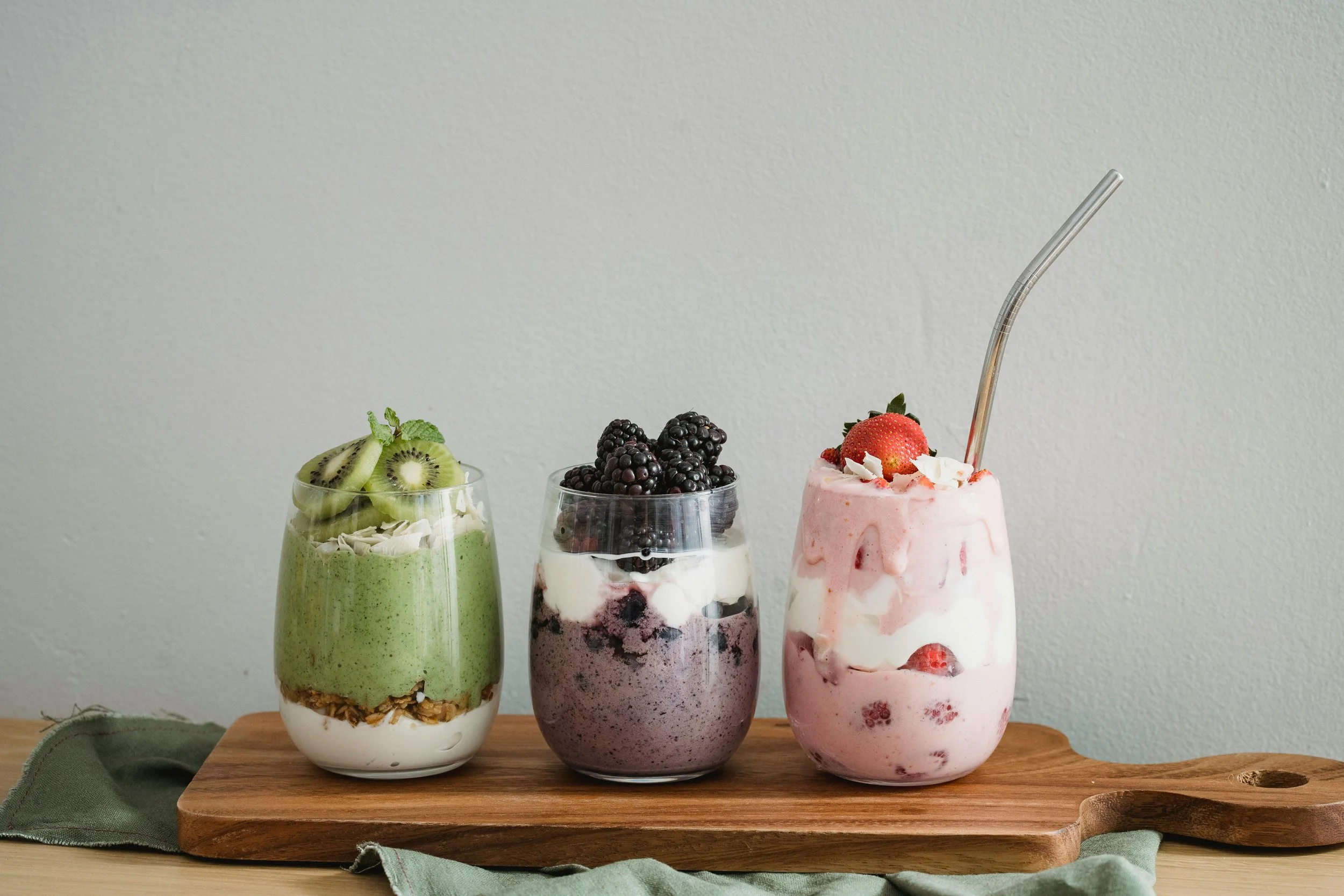
Smoothies and Smoothie Bowls: Blended fruits and vegetables with liquid bases create nutrient-dense, hydrating meals or snacks.
Incorporating these foods throughout the day reduces the pressure to consume specific quantities of plain water while supporting both hydration and overall nutrition.


Strategic Timing and Habits
Beyond what you drink, when and how you consume fluids significantly impacts your ability to maintain consistent hydration:
1. Start Your Day With Fluids
Beginning your morning with 1-2 glasses of water, tea, or other beverage helps offset overnight fluid losses and establishes a hydration-forward mindset.
2. Link Hydration to Existing Routines
Drinking fluids alongside meals, after using the bathroom, or during specific activities creates automatic prompts that reduce the need for conscious reminders.
3. Keep Beverages Accessible
Having a water bottle, filled glass, or other beverage within reach throughout the day makes drinking effortless rather than requiring specific trips to obtain fluids.
4. Respond to Thirst Cues
While thirst alone shouldn't be your only indicator, paying attention to and honoring thirst signals supports appropriate fluid intake.
These practical strategies work better than rigid hourly drinking schedules that ignore your body's actual signals and create unnecessary pressure around fluid consumption.
5. Try a Straw
Some people find it easier to sip throughout the day - sticking a straw into your water bottle is a helpful strategy for some.
Addressing Common Hydration Challenges
Several obstacles commonly interfere with adequate hydration, each requiring different solutions:
Dislike of plain water can be addressed through flavoring strategies, temperature variations, or exploring the many alternative beverage options discussed above. The goal is finding hydrating options you genuinely enjoy rather than forcing consumption of beverages you find unpleasant.
Frequent urination concerns sometimes lead people to deliberately restrict fluid intake, particularly before travel, meetings, or activities. However, chronic under-hydration creates more significant problems than temporary inconvenience. Planning bathroom access and timing fluid intake strategically often resolves these concerns without compromising hydration.
Forgetting to drink throughout busy days responds well to environmental modifications like keeping beverages visible and accessible (for example, on your desk or by your bedside), setting periodic reminders, or linking hydration to routine activities. These external prompts support consistent intake without requiring constant conscious attention.
Medical conditions that affect fluid needs or restrictions require individualized approaches. Individual nutrition counseling helps develop hydration strategies appropriate for specific health situations, including kidney disease, heart failure, pregnancy, or athletic performance goals.
The Relationship Between Hydration and Specific Health Goals
Hydration status influences numerous aspects of health and can be optimized to support specific goals or address particular concerns:
For digestive health, adequate fluid intake supports regular bowel function, helps prevent constipation, and facilitates nutrient absorption. People working on digestive health nutrition often find that addressing hydration resolves issues they attributed to other causes.
During weight management efforts, appropriate hydration prevents misinterpreting thirst as hunger, supports metabolic function, and helps regulate appetite. However, using excessive fluid consumption as an appetite suppressant or meal replacement creates problems rather than supporting sustainable weight management.
For athletic performance or high activity levels, hydration needs increase substantially. Replacing fluids and electrolytes lost through sweat becomes crucial for maintaining performance and preventing heat-related illness. Young athletes may benefit from guidance around sports hydration as part of comprehensive adolescent nutrition support.
During pregnancy and breastfeeding, fluid requirements increase to support increased blood volume, amniotic fluid production, and milk synthesis. Many women find that incorporating more hydrating foods alongside increased beverage consumption helps meet these elevated needs.
When Hydration Becomes Problematic
While adequate hydration supports health, excessive focus on fluid consumption can become counterproductive or even harmful. Drinking far beyond your body's needs doesn't provide additional benefits and can dilute electrolytes, burden kidneys, and create unnecessary bathroom trips that disrupt daily activities.
Some people develop rigid rules around hydration, forcing specific quantities of water regardless of thirst, activity level, or climate. This external regulation overrides internal cues and can create anxiety around meeting arbitrary targets. Like other aspects of nutrition, hydration works best when you maintain awareness of your body's signals while incorporating practical strategies that support consistent intake.
Certain populations require monitored fluid intake due to medical conditions. People with kidney disease, heart failure, or other conditions may need to limit fluids carefully. These situations require medical supervision and shouldn't follow general hydration recommendations.
Developing Your Sustainable Hydration Approach
Effective hydration doesn't require perfection or rigid adherence to specific quantities. Instead, it involves developing awareness of your individual needs, incorporating diverse fluid sources you enjoy, and establishing practical habits that support consistent intake without creating anxiety or burden.
Experiment with various beverages, hydrating foods, and timing strategies to discover what works for your preferences and lifestyle. The best hydration approach is one you can maintain long-term without constant conscious effort.
Ready to transform your relationship with food? Whether you're seeking support for eating concerns, looking to establish healthier family food dynamics, or simply want to feel more confident in your food choices, we're here to guide you every step of the way. Contact us to schedule your complimentary discovery call.