Building Bone Strength for the Years Ahead After 40
Bone health rarely gets the attention it deserves until something goes wrong. A stress fracture, a concerning DEXA scan result, a conversation with a doctor that suddenly makes osteoporosis feel personal. The reality is that bone is living, dynamic tissue that responds to what you eat, how you move, and the hormonal shifts your body undergoes, particularly after 40. Nutrition is one of the most significant and modifiable factors in this equation, and the choices made during midlife have consequences that extend decades into the future.
How Bone Changes After 40
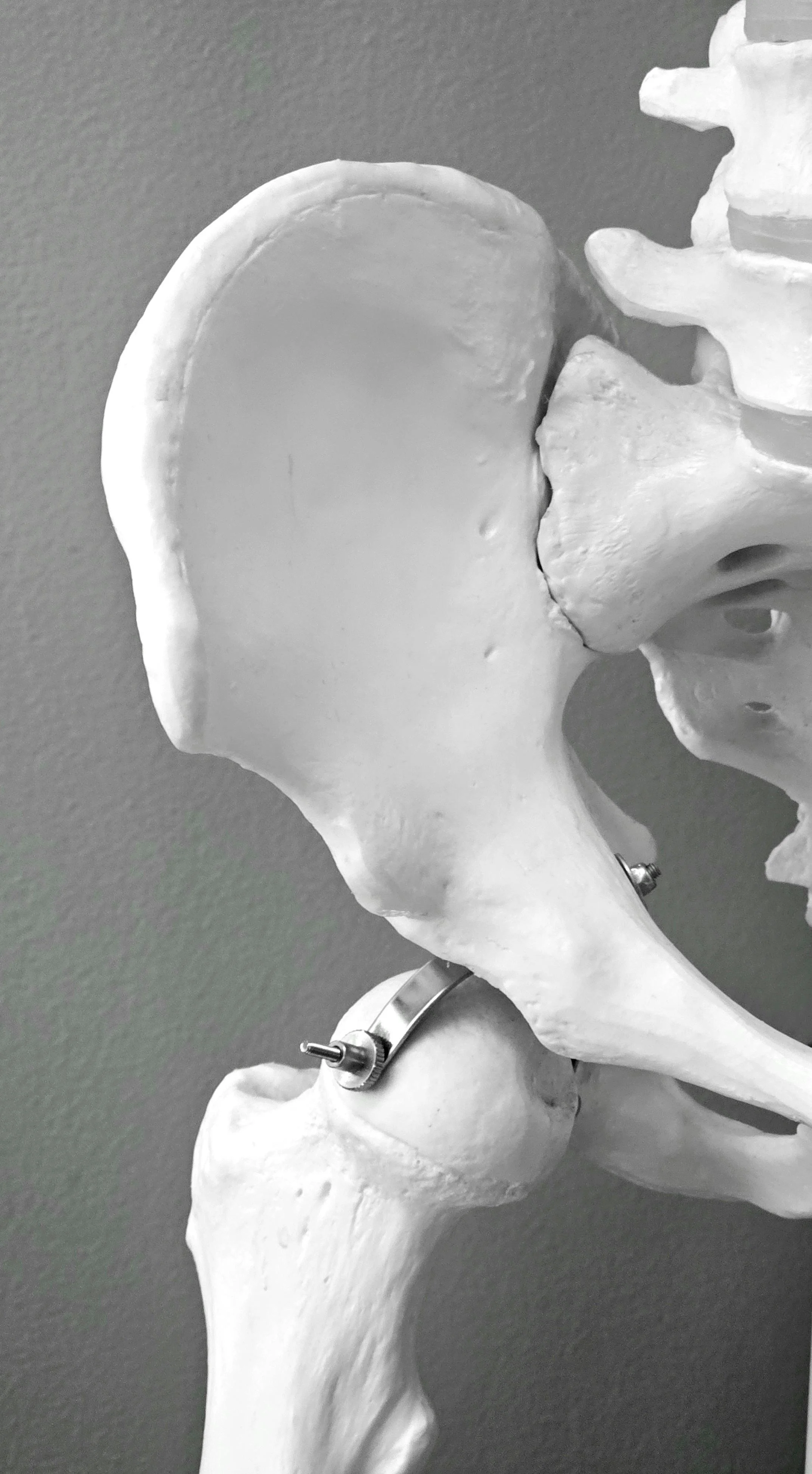
Bone is in a constant state of remodeling. Specialized cells called osteoblasts build new bone tissue while osteoclasts break down old bone. In younger years, this process favors formation, but after about age 35, the balance begins to shift. By 40, most adults are losing a small percentage of bone density each year.
For women, this process accelerates significantly during perimenopause and menopause. Estrogen plays a critical role in regulating bone turnover, and as estrogen levels decline, the rate of bone resorption increases. Women can lose up to 20% of their bone density in the five to seven years following menopause, making perimenopause and menopause nutrition a clinical priority, not just a lifestyle consideration.
Men are not exempt from this process, though their bone loss tends to be more gradual. By age 65 to 70, the rate of bone loss in men and women converges, making nutrition and lifestyle interventions relevant across the board.
The Nutrients That Matter Most
Calcium and vitamin D receive the most attention in conversations about bone health, and for good reason. But a comprehensive understanding of bone nutrition involves a broader set of nutrients, each playing a distinct role.
Calcium
Calcium remains the foundational mineral for bone structure. The body does not produce calcium on its own, so dietary intake is essential. Adults over 40 need approximately 1,000 to 1,200 milligrams per day, depending on age and sex. Dairy products, fortified plant milks, sardines with bones, leafy greens like kale and bok choy, and calcium-set tofu are all reliable sources. It is worth noting that the body absorbs calcium most efficiently in doses of 500 milligrams or less, so spreading intake across the day is more effective than consuming it all at once. If you are supplementing, this is something you should keep in mind as well.
Vitamin D
Vitamin D is necessary for calcium absorption. Without adequate vitamin D, even a calcium-rich diet will fall short. Synthesis from sunlight is the body's primary source, but geographic location, skin pigmentation, sunscreen use, and age all affect production. Blood levels should be monitored, and supplementation is often necessary, particularly for adults living in northern latitudes. It is also worth noting that, as vitamin D is a fat-soluble vitamin, diets that lack adequate high-quality fat will also negatively impact Calcium absorption.
Magnesium
Magnesium contributes to bone mineral density and is involved in vitamin D metabolism. Nuts, seeds, legumes, and whole grains are good dietary sources, though many adults fall short of the recommended intake.
Vitamin K2
Vitamin K2 directs calcium into bones and teeth and away from soft tissues like arteries. Fermented foods such as natto, certain cheeses, and egg yolks contain vitamin K2, and its role in bone health is an area of growing research interest.
Protein
Protein is a structural component of bone, making up roughly 50% of bone volume and about a third of bone mass. Adequate protein intake supports osteoblast function and helps maintain the muscle mass that protects bones from fracture.
What the Evidence Says About Dietary Patterns
Individual nutrients are important, but overall dietary pattern matters more than any single food or supplement. Research consistently associates certain dietary patterns with better bone outcomes.
Mediterranean-style eating patterns, which emphasize vegetables, fruits, legumes, whole grains, fish, nuts, and olive oil, have been associated with higher bone mineral density and lower fracture risk in multiple studies. This is likely due to the combined anti-inflammatory and nutrient-dense profile of the diet rather than any one component.
Conversely, dietary patterns high in ultra-processed foods, sodium, and added sugars are associated with poorer bone outcomes. Excess sodium increases urinary calcium excretion. High sugar intake may interfere with calcium absorption and contribute to chronic low-grade inflammation, which accelerates bone loss. Excessive caffeine and alcohol consumption also have a negative impact when consumed in large amounts.
The important takeaway is that bone health is not built through a single supplement or a short-term dietary change. It is the result of a sustained, balanced pattern of eating that provides the full spectrum of nutrients bone tissue requires.
Beyond Nutrition: The Role of Movement and Lifestyle
While nutrition is the focus here, it would be incomplete to discuss bone health without acknowledging the role of weight-bearing and resistance exercise. Bone responds to mechanical stress by becoming denser and stronger, a process known as Wolff's Law. Activities like walking, hiking, dancing, and strength training stimulate this adaptive response.
For individuals navigating weight management alongside bone health goals, it is particularly important that any approach to weight loss does not compromise bone density through excessive calorie restriction or the elimination of food groups that provide bone-building nutrients. Rapid weight loss is a known risk factor for accelerated bone loss, which is why working with a clinician who can assess the full picture is so valuable.
Sleep, stress management, and smoking cessation also play supporting roles. Cortisol, the stress hormone, has a direct catabolic effect on bone when chronically elevated, and smoking impairs calcium absorption and reduces estrogen levels.
Common Misconceptions About Bone Health Nutrition
A number of widely circulated beliefs about bone health deserve clarification.
1. "Dairy is the Only Reliable Source of Calcium."
While dairy is an efficient source, it is far from the only one. Many individuals, whether due to lactose intolerance, preference, or allergy, can meet their calcium needs through a combination of non-dairy foods and, when needed, supplementation.
2. "Supplements Can Replace a Good Diet."
Calcium supplements have a role, but they are not a substitute for food-based calcium. Some research suggests that high-dose calcium supplementation without adequate vitamin D and K2 may not confer the expected benefit and may even carry cardiovascular concerns. A food-first approach, supplemented as needed based on bloodwork and clinical assessment, is the most evidence-based strategy.
3. "Bone loss is Inevitable and Irreversible."
While some degree of age-related bone loss is expected, the rate and extent are highly modifiable. Nutrition and lifestyle interventions can slow bone loss, and in some cases, help maintain or even improve density over time.
4. "This is Only a Concern for Women."
Men account for a significant percentage of osteoporotic fractures, particularly after age 70. The conversation about bone health should not be gendered.
Where Individualized Guidance Makes a Difference
Bone health nutrition is not one-size-fits-all. Factors like existing bone density, hormonal status, digestive health (which affects nutrient absorption), medication use, dietary preferences, and activity level all influence what an effective nutrition plan looks like.
For example, someone managing a GI condition like celiac disease or IBS may have impaired absorption of key bone-building nutrients, requiring a different strategy than someone without those challenges. Similarly, individuals on GLP-1 medications need to ensure that reduced caloric intake does not compromise bone health.
At Appleman Nutrition, we work with clients to build nutrition plans that account for the full clinical picture, not just the headline nutrients. If bone health is a priority for you, or if you are navigating the nutritional complexities of midlife, contact us to schedule a discovery call with our team.
Ready to transform your relationship with food? Whether you're seeking support for eating concerns, looking to establish healthier family food dynamics, or simply want to feel more confident in your food choices, we're here to guide you every step of the way. Contact us to schedule your complimentary discovery call.